

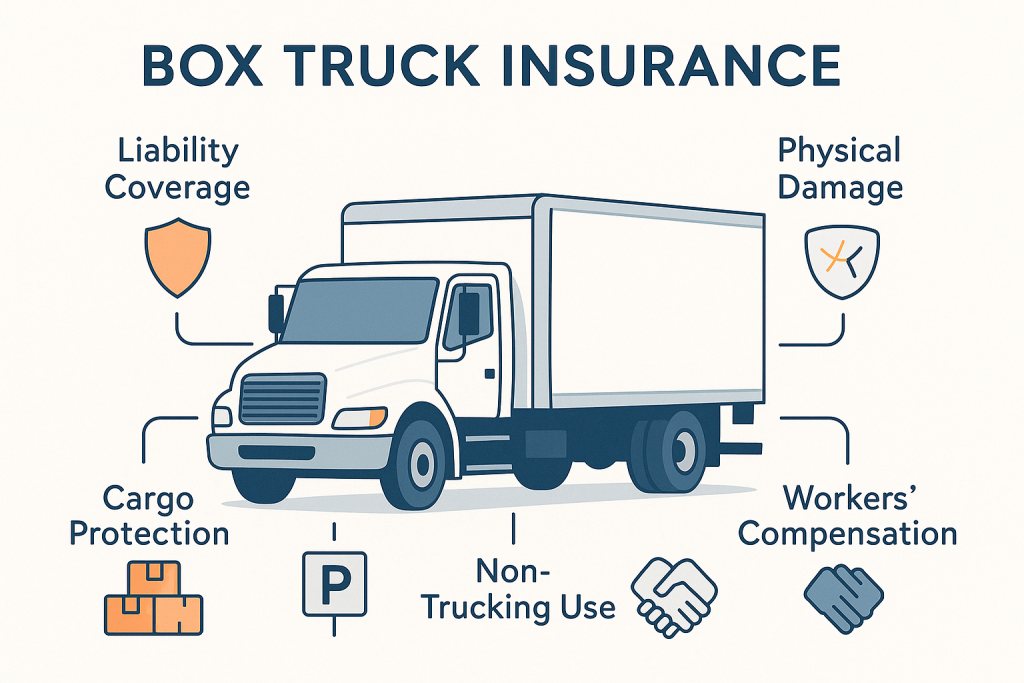
Running a box truck business involves more than delivering goods from one location to another. Every trip carries financial risks, from traffic accidents and cargo damage to theft, lawsuits, and unexpected repairs. The right insurance coverage helps protect your vehicles, employees, customers, and business assets while keeping your operation compliant with state regulations and contractual requirements.
Understanding the types of coverage for a box truck business allows you to build a policy that matches your daily operations instead of relying solely on minimum insurance requirements. Whether you operate a single truck or manage an expanding fleet, IIS Insurance Services helps business owners identify practical coverage options that support long-term success and reliable protection.
Understanding Box Truck Insurance
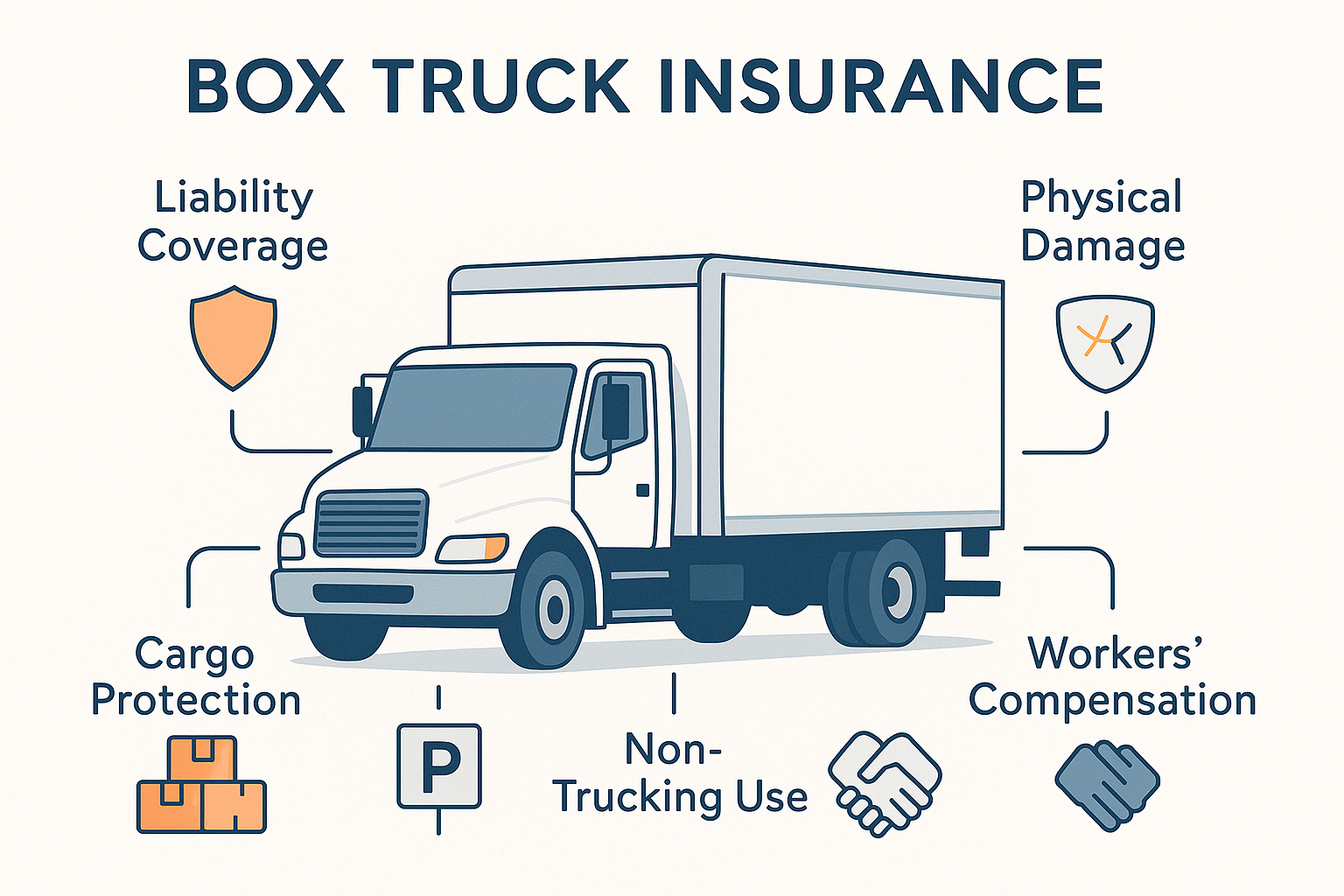
Every box truck business faces different risks. A local furniture delivery company has different insurance needs than a contractor transporting equipment or a logistics company operating across multiple states. Because of these differences, commercial truck insurance is typically structured by combining several types of coverage into a single policy.
Rather than relying on a single insurance product, business owners often customize their policies based on factors such as:
- The size of the business
- Number of trucks and drivers
- Cargo being transported
- Operating locations
- Vehicle value
- Customer contract requirements
The goal is to protect both the company's financial stability and its ability to continue operating after an unexpected event.
Some coverages are required by law, while others are optional but strongly recommended depending on how the business operates.
Liability Coverage - The Foundation of Every Policy
Liability coverage is one of the most important parts of any commercial auto insurance policy. It helps pay for injuries or property damage your business is legally responsible for if one of your drivers causes an accident.
Without adequate liability insurance, a single collision could result in substantial legal expenses, medical bills, repair costs, and settlements, placing significant financial pressure on your business.
Most liability policies include two primary components:
- Bodily Injury Liability, which helps cover medical expenses, legal defense costs, rehabilitation expenses, and settlements for injured parties.
- Property Damage Liability, which pays for damage caused to another person's vehicle, building, equipment, or other property.
Although every state establishes minimum liability requirements, many businesses choose higher limits because customer contracts, freight brokers, and commercial clients frequently require additional protection before awarding work.
For growing companies, stronger liability coverage also provides greater financial security when larger claims occur.
When Higher Liability Limits Make Sense
Businesses often benefit from increased liability limits if they:
- Transport expensive products
- Deliver in heavily populated urban areas
- Operate multiple commercial vehicles
- Cross state lines
- Work under contracts requiring higher insurance limits
- Own significant business assets that should be protected
Selecting the proper liability coverage is an investment in business continuity rather than simply satisfying legal requirements.
Physical Damage Coverage Protects Your Investment
Liability insurance protects others after an accident, but it does not pay to repair your own vehicle. That's where physical damage coverage becomes valuable.
For many businesses, the truck itself is one of their largest investments. If it is damaged or stolen, repairs or replacement costs can quickly disrupt operations and cash flow.
Physical damage coverage generally consists of two separate protections:
- Collision Coverage, which pays for damage to your truck after colliding with another vehicle or object.
- Comprehensive Coverage, which covers non-collision events such as theft, vandalism, fire, severe weather, falling objects, and certain types of animal collisions.
Many lenders require businesses financing commercial vehicles to maintain physical damage coverage until the loan is paid off. Even when it is not required, carrying this protection helps businesses recover more quickly after unexpected losses.
Collision vs. Comprehensive Coverage
| Coverage Type | What It Covers | Common Examples |
|---|---|---|
| Collision Coverage | Damage caused by collisions involving your truck | Traffic accidents, rollovers, striking fixed objects |
| Comprehensive Coverage | Damage from events other than collisions | Theft, vandalism, hail, fire, flooding, falling trees |
Combining both forms of protection provides broader coverage for vehicles that are essential to daily operations.
Cargo Insurance and Other Valuable Coverages
For businesses transporting customer property, protecting the cargo can be just as important as protecting the truck itself.
Cargo insurance helps pay for covered losses involving goods being transported. Depending on the policy, coverage may apply when cargo is damaged due to an accident, theft, fire, or other covered events.
Many freight brokers and commercial customers require proof of cargo insurance before entering into transportation agreements, making this coverage important for businesses seeking larger contracts.
Beyond cargo protection, several additional coverages can strengthen a commercial insurance policy.
Common optional coverages include:
- General Liability Insurance for incidents occurring away from driving activities, such as customer property damage during loading or unloading.
- Medical Payments Coverage to help pay medical expenses regardless of fault.
- Uninsured and Underinsured Motorist Coverage when another driver causes an accident but lacks sufficient insurance.
- Rental Reimbursement Coverage to help keep operations moving while a covered truck is being repaired.
- Roadside Assistance for towing, lockout services, battery issues, and emergency roadside support.
The ideal combination of coverages depends on the type of business you operate, the value of your equipment, and the level of financial risk your company is prepared to assume.
Owner-Operator Insurance Needs
Independent owner-operators often have different insurance needs than businesses managing multiple trucks.
Because they are responsible for every aspect of their operation, owner-operators should evaluate policies that protect their vehicle, business liability, cargo, and equipment.
Important considerations include:
- Operating authority requirements
- Contract requirements from brokers or carriers
- Annual mileage
- Types of freight transported
- Vehicle financing obligations
- Personal financial exposure
Rather than purchasing a standard commercial policy, owner-operators benefit from insurance solutions tailored to their specific business model.
IIS Insurance Services works with independent operators to identify practical coverage options that balance protection, compliance, and affordability.
Workers' Compensation for Growing Box Truck Businesses
As your business grows and you begin hiring drivers, warehouse staff, or delivery assistants, your insurance needs also change. In many states, workers' compensation is required for businesses with employees. It helps cover medical expenses, rehabilitation costs, and lost wages when an employee suffers a work-related injury or illness.
For a box truck business, workplace injuries can occur while driving, loading and unloading cargo, lifting heavy items, or performing vehicle maintenance. Without workers' compensation coverage, your business could face significant financial and legal consequences.
Beyond meeting legal requirements, this coverage demonstrates your commitment to employee safety and helps maintain business continuity when workplace accidents occur.
| Workers' Compensation Benefit | Why It Matters |
|---|---|
| Medical expense coverage | Helps pay for treatment related to work injuries |
| Wage replacement | Supports employees during recovery |
| Rehabilitation benefits | Assists injured workers in returning to work |
| Employer protection | Reduces exposure to workplace injury lawsuits |
| Regulatory compliance | Helps satisfy state employment insurance requirements |
As your workforce expands, reviewing your policy regularly ensures your coverage continues to meet your operational needs.
Factors That Affect Box Truck Insurance Costs
No two box truck businesses pay the same insurance premium. Insurance companies evaluate several factors before determining pricing, and understanding these factors can help you make informed coverage decisions.
Some of the most common rating factors include:
- Number of trucks in your fleet
- Vehicle age, value, and weight
- Business location and operating territory
- Annual mileage
- Cargo type and value
- Driver age and driving history
- Previous insurance claims
- Coverage limits and deductibles
- Safety programs and fleet management practices
Businesses that invest in driver training, routine vehicle maintenance, and strong safety procedures often present a lower level of risk to insurers.
While reducing insurance costs is important, selecting a policy based solely on price can create coverage gaps that become costly after an accident. A well-balanced policy should provide appropriate protection while remaining affordable for your business.
How to Choose the Right Insurance Policy
Selecting the right policy starts with understanding how your business operates instead of choosing the same coverage as another company.
Before purchasing or renewing your policy, consider questions such as:
- What type of cargo do you transport?
- Do you operate locally or across multiple states?
- Are your trucks financed or leased?
- How many employees drive your vehicles?
- Do your customers require specific insurance limits?
- How much financial risk could your business absorb after a major accident?
Working with an experienced commercial insurance agency allows you to evaluate these factors and identify coverage that aligns with your business goals.
Rather than recommending a standard policy, IIS Insurance Services works with businesses to review their operations, compare available options, and customize commercial truck insurance solutions that reflect their actual risks.
Regular policy reviews are equally important. As your fleet grows, routes change, or new contracts are added, your insurance should evolve with your business.
Common Insurance Mistakes Box Truck Businesses Should Avoid
Purchasing commercial insurance is only the first step. Maintaining appropriate protection requires ongoing review and adjustments as your business changes.
Some of the most common mistakes include:
- Purchasing only the minimum required coverage.
- Choosing the lowest premium without comparing policy benefits.
- Underestimating the value of transported cargo.
- Forgetting to update the policy after purchasing additional trucks.
- Not adding newly hired drivers to the policy.
- Ignoring customer or broker insurance requirements.
- Failing to review deductibles, exclusions, and policy limits.
- Waiting until after an accident to identify coverage gaps.
Avoiding these mistakes helps reduce unexpected expenses while improving your company's ability to recover after covered losses.
Protect Your Business with Insurance Designed for Your Operation
Every box truck business operates differently, which means insurance should never be treated as a one-size-fits-all purchase. Whether you own a single delivery truck or manage a growing commercial fleet, selecting the right combination of liability, physical damage, cargo, and optional coverages helps protect your business from financial setbacks and supports long-term growth.
IIS Insurance Services works with owner-operators, contractors, delivery companies, and fleet managers to build insurance solutions that match their daily operations, budget, and compliance requirements. Our experienced team compares coverage options from trusted insurance carriers and provides personalized guidance to help you make informed decisions.
If you're starting a new business, expanding your fleet, or reviewing your current policy, contact IIS Insurance Services today for a customized quote. We'll help you find coverage that protects your vehicles, your employees, and your business, so you can stay focused on serving your customers with confidence.