

Commercial Auto Insurance and Truck Insurance in California
What You Should Know



Reviewed by George Karapetyan, Commercial Auto & Trucking Insurance Specialist, 20+ Years Experience
CA Insurance License #0E94849 · IIS Insurance Services (CA Agency License #0G56765) · Verify license at CA DOI »
Last reviewed: April 30, 2026
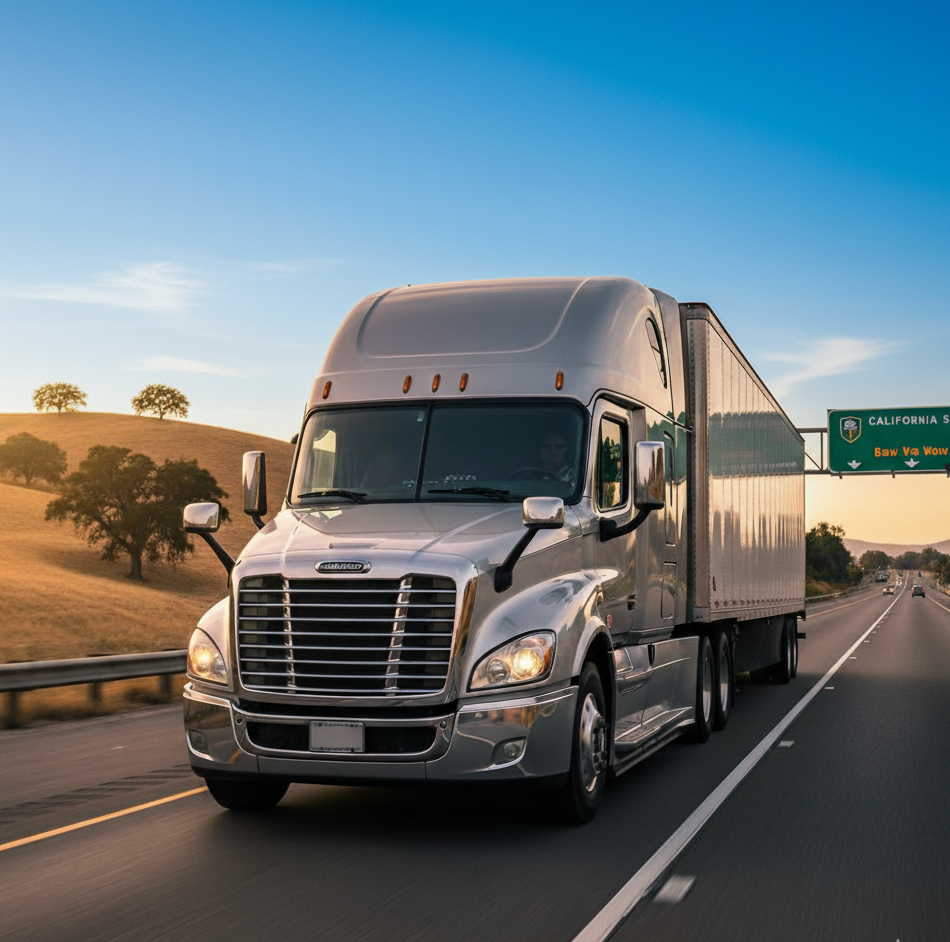
Commercial Auto & Truck Insurance in California
When your business depends on vehicles to power its operations, the right insurance isn’t just smart; it’s irreplaceable.
California’s busy roads and strict regulations mean you need coverage that works as hard as you do to protect your vehicles, finances, and overall operations.
Whether you’re running a single work van or managing an entire fleet, you’re in the right place to understand why commercial auto and trucking insurance matters.
At IIS Insurance Services, we’ve been helping businesses across California get reliable, budget-friendly coverage since 2009. And as a bonus, you won’t have to sift through confusing options on your own. We’re here to simplify everything.
What Is Commercial Auto Insurance?
Commercial auto insurance is all about protecting vehicles that drive your business forward (think cars, vans, pickups, box trucks, and the like). If your vehicle is moving tools, delivering products, or transporting employees from one site to another, it probably needs commercial coverage.
Here’s what separates commercial insurance from personal auto policies:
- Higher liability limits to cover bigger risks
- Protection that applies to multiple drivers
- Custom options for tools, cargo, or equipment
- Extended coverage designed specifically for business use
Frankly, it’s built to shield your business from the fallout of accidents, lawsuits, and road-related hiccups.
Common Business Uses That Require Commercial Auto Insurance
You might need a commercial policy if your vehicle is used for:
- Contracting or construction
- Delivering food, packages, or products
- Mobile services like plumbing or pet care
- Real estate or field sales
- Landscaping, property maintenance, or related services
- Medical or patient transportation
Even if the vehicle’s used for work just part of the time, that’s often enough to require this type of insurance.
Why Having the Right Coverage Matters
Let’s play out this scenario: say a work vehicle gets into an accident. Suddenly, you’re dealing with repair costs, medical bills, and potentially a lawsuit. Without proper insurance, those bills can sting and they can also derail your business.
Here’s what’s at risk:
- Expensive repairs or even full vehicle replacement
- Payouts for medical claims or injuries
- Legal defense expenses
- Lost income while your vehicle is out of commission
- Fines if the coverage doesn’t meet legal requirements
That’s why choosing the right policy isn’t just a to-do: it’s how you keep your business running smoothly when the unexpected tries to throw you off course.
What Does Commercial Auto Insurance Cover?
Coverage options vary depending on your policy, but here’s what you can expect:
- Liability Coverage: For injury or property damage you cause to others
- Collision Coverage: Repairs or replacement for your vehicle after an accident
- Comprehensive Coverage: Covers theft, fire, vandalism, or weather-related damage
- Medical Payments: Protection for you and your passengers
- Uninsured/Underinsured Motorist Coverage: Covers costs if the at-fault driver doesn’t have enough insurance
- Hired Auto or Non-Owned Auto Coverage: For rented or employee-owned vehicles used for your business
Need extras like roadside assistance or towing? You can add those, too. It’s all about tailoring the policy to fit how your business operates.
Here’s an example to highlight the role of commercial auto insurance. Let’s say you run a construction business in Bakersfield with three vans stocked with tools. One morning, an employee rear-ends someone on the freeway. The van is totaled, the other driver is injured, and their car is badly damaged.
Without commercial auto insurance, guess who’s paying? You are: repair bills, medical claims, legal fees. A solid commercial policy takes that weight off your shoulders and lets you focus on what matters: keeping the business on track.
Commercial Auto Coverage Options Beyond Basic Liability
While liability is the foundation, strong auto coverage often includes additional coverages that protect your business from unexpected expenses. Collision and comprehensive coverage help manage repair costs, while medical payments and uninsured motorist coverage address injury-related risks.
Some businesses also benefit from non-owned auto coverage, which protects the company when employees use personal vehicles for work purposes. These layered options help limit out-of-pocket expenses after an accident.
How Commercial Auto Insurance Protects Growing Businesses
As companies expand, vehicle exposure often increases. Adding drivers, vehicles, or service areas changes risk levels. Commercial auto insurance adapts to this growth by allowing policies to scale alongside operations.
This flexibility is especially valuable for businesses adding delivery routes, expanding service territories, or upgrading to larger commercial vehicles. Proper coverage supports growth without leaving gaps in protection.
What Is Trucking Insurance?
Trucking insurance is a specialized type of commercial auto insurance built for larger vehicles that haul goods or materials. It’s what you need if you’re working with:
- Semi-trucks
- Box trucks
- Flatbeds
- Dump trucks
- Tankers
- Tow trucks
- Refrigerated vehicles
This type of coverage isn’t just optional; it’s designed to handle the unique risks and requirements of trucking, from federal filings to long-haul operations.
Who Needs Trucking Insurance?
If you’re in the trucking business, chances are you need this coverage. That includes:
- Freight and logistics trucks
- Construction vehicles like dump trucks
- Food and beverage deliveries
- Tow trucks
- Refrigerated transport
Even if you’re a part-time driver or you only operate one truck, insurance is non-negotiable. It’s legally required and smarter than going without.
Key Coverage for Trucking Policies
Here’s what might be included in a trucking insurance plan:
- Primary Liability: Covers injury or property damage caused by your truck
- Physical Damage: Protection for damage to your own vehicle
- Cargo Insurance: Keeps the goods you’re hauling covered
- Non-Trucking Liability: When you’re off the clock but still driving the truck
- Bobtail Insurance: For coverage while driving without a trailer
- Trailer Interchange: Protection for trailers not owned by you
- General Liability: Covers incidents outside the truck
California’s Trucking Insurance Requirements
Depending on your cargo, California mandates minimum coverage levels:
- $300,000 for household goods
- $750,000 for general freight
- $1,000,000 for oil transport
- $5,000,000 for hazardous materials
If you’re crossing state lines, you’ll need to meet federal standards, too.
Insurance Coverage Types for Specialized Operations Trucks
Truck insurance is a specialized form of commercial auto insurance that helps cover vehicles used for heavier and more complex operations. It addresses risks associated with hauling cargo, operating across long distances, and meeting regulatory requirements.
Truck policies often include physical damage, cargo coverage, and additional liability layers. These protections are critical when a single claim could disrupt contracts or ongoing work.
Example Scenario: Construction Business with a Fleet of Vans
Imagine you own a small construction business in Santa Ana. You’ve got three work vans, each loaded daily with tools and supplies. One day, one of your employees rear-ends another vehicle on the freeway. The van is totaled, the other driver is injured, and their vehicle is severely damaged.
Without commercial auto insurance, you’re personally responsible for:
- Repairs or replacement of your van
- The other driver’s medical expenses and car repairs
- Legal fees if they decide to sue
But with the right commercial policy, your insurance can step in to handle the costs, saving your business from financial hardship and letting you focus on getting back to work.
How Much Does Commercial Auto Insurance Cost in California?
Your premium depends on several factors:
- Vehicle Type: Larger or specialized vehicles cost more to insure.
- Driving Records: Clean record? You’ll likely pay less.
- Coverage Limits: The more protection you need, the higher the cost.
- Business Type: What you’re hauling or transporting impacts rates.
- Location: Areas with high traffic or accident risks can raise premiums.
Here’s a quick look at average monthly premiums:
- Small delivery van: $100–$200
- Box truck: $200–$400
- Semi with trailer: $500–$1,200+
Again, these are just averages, and your exact prices will vary depending on your business, truck type and size, driving record, etc. Let us shop around to score you the best rate for your needs.
Here’s How Claims Work
When something happens and you need to file a claim, it’s a straightforward process:
- Report the accident to your provider.
- Share key details: date, time, location, and photos, if available.
- The insurer investigates, looking at reports and other evidence to help them build a solid idea of what happened, why, and who’s at fault.
- An adjuster assesses damage and estimates repair costs.
- Once the claim is approved, repairs or payouts are handled.
No matter how cumbersome it gets, don’t worry. We’ll stick with you throughout the process to make sure it’s smooth and stress-free.
Our team is here to answer your questions, provide updates, and advocate on your behalf to make sure you get the resolution you deserve. At IIS Insurance Services, we’re committed to making claims as hassle-free as possible, so you can focus on getting back on the road.
Why We’re Different
Since 2009, IIS Insurance Services has been helping California businesses find insurance that fits like a glove. Here’s what sets us apart:
- We partner with multiple carriers to find you the best deals.
- Need coverage today? We can often have you insured within minutes.
- We handle tricky filings like MCS-90 and BMC-91 so you don’t have to.
- Starting fresh? We make it easy for brand-new businesses.
Every business is unique. That’s why we design policies to match the specifics of what you do. No cookie-cutter solutions, just coverage that feels right.
Owner-Operators and Small Fleets
If you’re running a tight operation, we recognize every dollar counts. With flexible payment plans and policies designed for small-scale trucking, we help protect your assets without blowing your budget.
Get a Quote Today
Why wait? Whether you’re brand new or just shopping for a better deal, we’re ready to help you lock in the right coverage at the right price.
Call us or get a quote online. No pressure, no hassles. Just honest advice and first-rate coverage that keeps your business protected.
Get a Free Quote Now!FAQ
Quick answers for California commercial auto and trucking insurance.
Is commercial insurance required in California?
Yes. If a vehicle is used for business purposes, commercial coverage is required by law.
Yes. In most cases, we can issue a policy and provide proof of insurance within minutes.
We do. We work with carriers that welcome new operations and startups.
Yes. We can take care of the forms and filings you need for California and federal compliance.
You may still need your own commercial policy. We’ll help you determine if platform-provided coverage is enough or if you need supplemental insurance.
Yes. Many policies are designed to insure multiple vehicles under a single commercial auto policy, making management simpler.
Typically, yes. Commercial policies reflect higher risk, multiple drivers, and business use, which increases premiums.
Cars, vans, pickup trucks, and larger commercial vehicles used for business purposes generally require commercial coverage.
If employees drive personal vehicles for work, non-owned auto coverage helps protect the business from liability claims.
Yes. Policies can be updated to add vehicles, drivers, or higher limits as your operations expand.
Yes. You can request a quote anytime online or by giving us a quick call.