

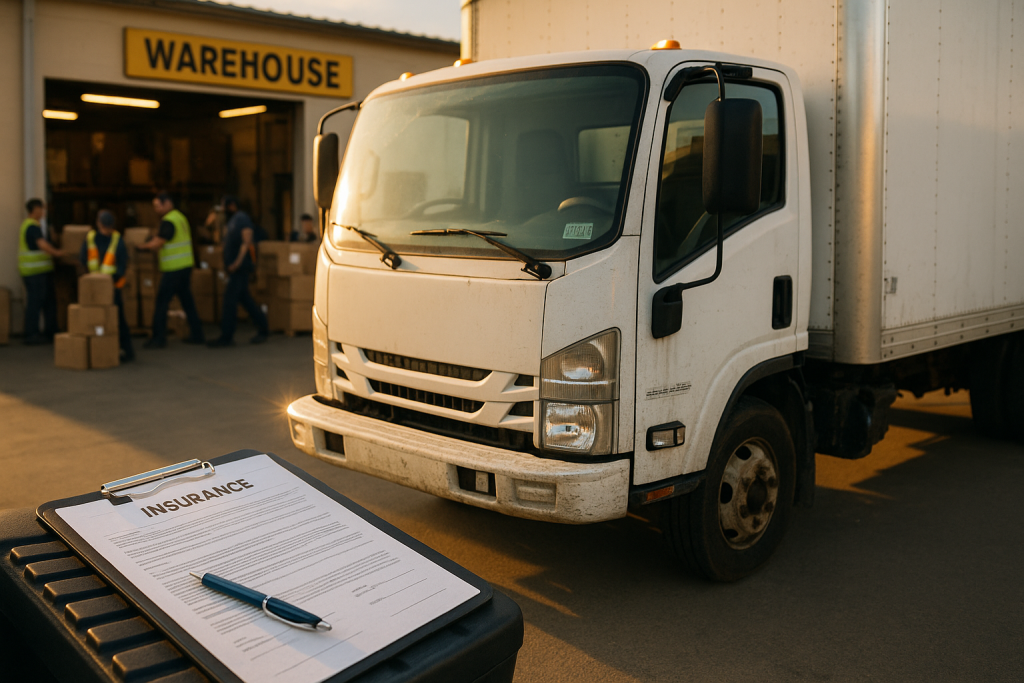
Box trucks support local deliveries, moving services, retail distribution, construction work, and many other commercial operations. Their size, weight, cargo, and time on the road can also create significant accident exposure. A collision may lead to vehicle repairs, medical expenses, damaged property, legal fees, and interrupted business operations.
Choosing box truck liability coverage limits requires balancing legal obligations, contract requirements, operating risks, and available budget. The lowest permitted amount may allow a business to operate, but it may not provide enough financial protection after a serious accident. Shippers, brokers, landlords, and other business partners may also require limits that exceed a government minimum.
Commercial auto liability generally responds when an insured box truck causes bodily injury or property damage. It does not automatically pay for damage to the truck, lost or damaged cargo, employee injuries, or every incident that happens away from the vehicle. Those risks may require separate coverages.
Understanding how policy limits work helps owner-operators and fleet managers avoid underinsurance, qualify for contracts, and make informed decisions about commercial truck insurance. IIS Insurance Services helps California businesses compare policies and select coverage that reflects how their trucks are actually used.
How Liability Insurance Protects a Box Truck Business
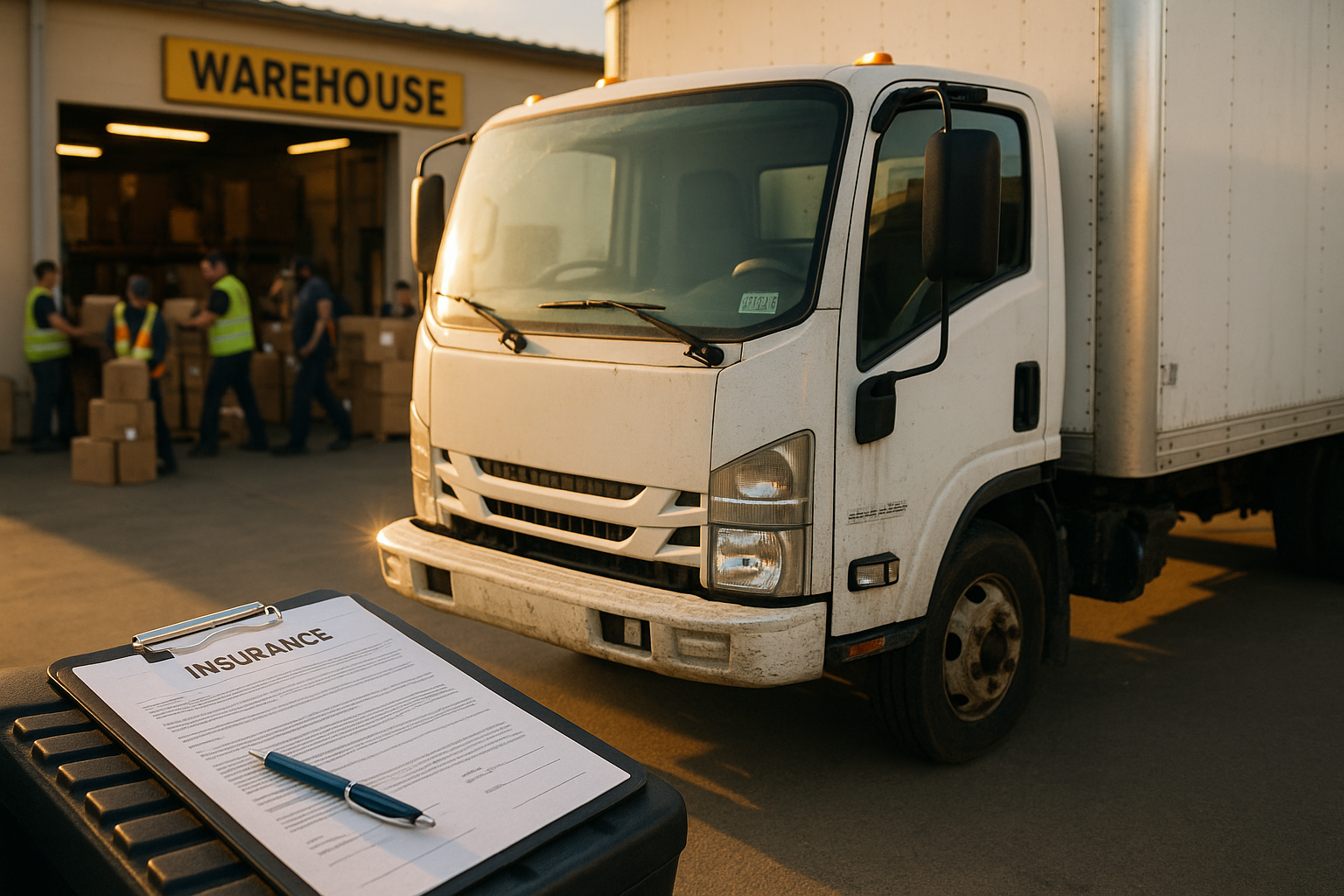
Commercial auto liability insurance is designed to address claims arising from the ownership or operation of an insured business vehicle. If a driver causes an accident, the policy may pay eligible costs up to the selected limits.
The two primary parts of auto liability coverage are:
- Bodily injury liability: May pay eligible medical expenses, lost income, legal settlements, and related damages when another person is injured.
- Property damage liability: May pay for damage to another vehicle, building, fence, utility structure, or other property.
- Legal defense: May provide an attorney and cover eligible defense expenses when a covered accident leads to a lawsuit.
A policy limit is the highest amount the insurer will pay for a covered claim, subject to policy terms. If a settlement or judgment exceeds that amount, the business may be responsible for the remaining balance.
For example, assume a box truck carries a $1 million combined single limit and causes an accident resulting in $1.3 million of covered bodily injury and property damage. The policy may pay up to $1 million, while the business could face the remaining $300,000 and any uncovered expenses.
The financial effect can extend beyond the immediate claim. A serious loss may disrupt delivery schedules, affect contracts, increase future premiums, and damage customer relationships. Higher insurance limits may reduce the amount of company assets exposed when an accident becomes expensive.
Liability insurance coverage is different from general liability insurance. Commercial auto liability applies primarily to vehicle-related accidents. General liability can address certain claims involving business operations away from driving, such as a customer injury at the business premises or property damage during some non-driving activities.
Businesses that load, unload, deliver, install, or handle products at customer locations may need both forms of protection. An insurance agent can review where one policy stops and another begins.
Minimum Insurance Requirements for Box Trucks
There is no single insurance amount that applies to every box truck. The required insurance can depend on vehicle weight, cargo, operating authority, routes, business structure, and whether the truck operates within California or across state lines.
A lighter truck used for local deliveries may be subject to different requirements than a heavier commercial vehicle operating under federal authority. Trucks hauling certain hazardous materials may face substantially higher limits. Government rules are only one part of the analysis because customers and business partners often impose additional requirements.
The following table outlines factors that commonly affect the required or requested insurance limits. The exact amounts should be confirmed for each operation.
| Operating Factor | Why It Matters | Possible Insurance Effect |
|---|---|---|
| Gross vehicle weight | Heavier vehicles may be regulated differently and can cause greater damage | May affect legal and underwriting requirements |
| Intrastate or interstate routes | Crossing state lines may bring federal motor carrier rules into the analysis | May require federal filings and specified liability limits |
| Cargo type | Hazardous, high-value, refrigerated, or specialized goods create added exposure | May require higher auto liability and cargo limits |
| Motor carrier authority | Operating under a business’s own authority may trigger filing obligations | Insurer may need to submit proof of coverage |
| Customer or broker contracts | Contracting parties often require limits above government minimums | $1 million or higher may be requested |
| Lease or financing agreement | A lender or lessor has a financial interest in the truck | Physical damage coverage may be required |
| Fleet size and usage | Additional vehicles and drivers increase total exposure | Limits and policy structure may need adjustment |
A broker may require $1 million in commercial auto liability before offering work. A shipper may also request motor truck cargo insurance, general liability, additional insured status, or a waiver of subrogation.
Meeting a state minimum does not automatically satisfy those contractual conditions. Business owners should review insurance clauses before accepting a job, signing a lease, or entering a transportation agreement.
Non-CDL box trucks still need proper commercial coverage when used for business. Whether a driver needs a commercial driver’s license and whether the truck needs insurance are separate questions. A vehicle can fall below a CDL threshold while still creating commercial liability exposure and needing a business auto policy.
Requirements can change when the operation changes. Adding interstate routes, carrying different cargo, increasing vehicle weight, or working for a new broker may affect the insurance needed. Policy reviews should occur before the new activity begins, not after a claim.
Choosing Box Truck Liability Coverage Limits
The appropriate limit should account for both regulatory compliance and the amount of loss the business could reasonably face. Medical treatment, damaged vehicles, emergency response, legal disputes, and loss-of-income claims can push accident costs well beyond a basic minimum.
Several questions can help guide the decision:
- What is the largest contract requirement? The policy must meet the limits stated by brokers, customers, property managers, or other parties whose work the business wants to accept.
- What assets could be exposed? Trucks, equipment, savings, receivables, and other business property may be vulnerable when a claim exceeds the available insurance.
- Where do the trucks operate? Congested urban routes, highways, long-distance travel, and frequent loading zones can create different levels of exposure.
- What cargo is being transported? A truck carrying ordinary packaged goods presents a different risk from one transporting electronics, appliances, temperature-sensitive products, or regulated materials.
- Who drives the vehicles? Driver experience, license history, training, and employee turnover can influence both accident risk and insurance pricing.
- How often are the trucks used? A truck driven a few miles per week generally presents less exposure than one operating daily across several counties.
Many contracts request a $1 million commercial auto liability limit, but that amount should not be treated as automatically sufficient for every operation. A major multi-vehicle accident can exceed $1 million, particularly when several people are injured.
A commercial umbrella or excess liability policy may provide limits above the underlying commercial auto and general liability policies. This can be useful for businesses with valuable assets, larger fleets, high-mileage routes, or contracts requiring added protection.
Umbrella coverage has its own conditions. The underlying policies must generally carry specified minimum limits, and not every claim excluded by the primary insurance becomes covered by the umbrella. The policies should be reviewed together.
Selecting higher limits will usually increase the premium. However, the difference between two limit options may be modest compared with the potential cost of an uninsured judgment. Asking for quotes at several limit levels can show the actual price difference.
Other Coverage a Box Truck Operation May Need
Auto liability insurance protects against eligible claims made by other people. It does not cover every financial risk associated with owning or operating a box truck.
A well-structured box truck insurance plan may include:
- Physical damage coverage: Collision may pay for covered damage to the insured truck after an accident. Specified causes of loss or broader physical damage coverage may address risks such as theft, fire, vandalism, or weather.
- Motor truck cargo insurance: May protect property being transported for customers, subject to cargo type, limits, deductibles, and exclusions.
- General liability insurance: May address certain third-party bodily injury or property damage claims arising from business operations that are not covered by commercial auto.
- Uninsured or underinsured motorist coverage: May provide protection when an at-fault driver has no insurance or insufficient limits, depending on the policy and selections.
- Medical payments coverage: May help pay eligible medical costs after a covered accident, subject to availability and policy terms.
- Workers’ compensation: May be required when the business has employees and can cover eligible work-related injuries.
- Non-owned auto coverage: May apply when employees use personal vehicles for business errands.
- Hired auto coverage: May apply when the company rents or leases vehicles it does not own.
- Rental reimbursement and downtime protection: May help address certain costs when an insured truck cannot be used after a covered loss.
Cargo coverage deserves close review. Policies commonly exclude or restrict certain property, including money, jewelry, artwork, live animals, contraband, and some temperature-sensitive goods. Theft coverage may also depend on security practices, vehicle location, or evidence of forced entry.
Physical damage limits should reflect the truck’s current value and any permanently installed equipment. Lift gates, refrigeration systems, shelving, ramps, wraps, and specialized modifications may need to be identified when the policy is written.
General liability does not replace commercial auto liability. Likewise, a personal auto policy is generally not designed for a truck used primarily for deliveries, moving services, or other business operations. The policy should match the registered owner, named business, actual vehicle use, and people who drive it.
Factors That Affect Box Truck Insurance Costs
The premium for box truck insurance varies because insurers assess the characteristics of the business, trucks, drivers, routes, and selected coverage. Two companies operating similar vehicles may receive different rates due to differences in claims history or daily use.
Common rating factors include:
- Vehicle year, value, weight, and body type
- Number of trucks and drivers
- Driver age, experience, and motor vehicle records
- Business location and parking arrangements
- Operating radius and annual mileage
- Local, regional, or interstate travel
- Cargo type and maximum cargo value
- Prior accidents, claims, cancellations, and insurance lapses
- Years in business and management experience
- Selected liability limits and deductibles
- Required filings and motor carrier authority
- Use of telematics, cameras, training, or formal safety procedures
A 26-foot box truck used for daily interstate freight may cost substantially more to insure than a smaller truck making limited local deliveries. A new venture may also pay a higher rate because the insurer has less operating history to evaluate.
Business owners can often improve their insurance position by maintaining accurate driver records, checking motor vehicle reports before hiring, documenting training, and addressing unsafe behavior quickly. Secure overnight parking, vehicle maintenance, dash cameras, and route planning may also support stronger risk management.
Comparing premiums requires comparing equivalent policies. One quote may appear lower because it includes reduced liability limits, a larger deductible, limited cargo coverage, or important exclusions.
Review the following items on every quote:
- Named insured and business entity
- Listed vehicles and drivers
- Vehicle use and operating radius
- Liability and cargo limits
- Physical damage deductibles
- Policy fees and instalment charges
- Required filings and endorsements
- Exclusions and coverage restrictions
- Total annual cost, not only the initial payment
An accurate application is important. Understating mileage, leaving out drivers, misidentifying cargo, or describing commercial work as personal use may lead to cancellation or claim problems.
Review Your Box Truck Insurance With IIS Insurance Services
Box truck liability coverage limits should reflect the way the business operates today. Legal minimums, contract requirements, cargo exposure, vehicle value, route length, driver history, and company assets all influence the amount and type of protection needed.
A policy review is especially useful when a business adds trucks, hires drivers, accepts interstate work, changes cargo, signs a new contract, or begins operating under its own authority. These changes can affect both insurance requirements and premiums.
IIS Insurance Services helps California owner-operators, contractors, delivery companies, and fleet managers compare commercial truck insurance options. Its agents can review business operations, explain available limits, identify requested filings, and help coordinate commercial auto, cargo, physical damage, and general liability coverage.
Request a personalized quote from IIS Insurance Services to compare box truck insurance limits and costs. Clear information about your trucks, drivers, routes, cargo, and contracts will help the agency identify coverage that supports compliance, protects business assets, and keeps your operation eligible for the work you want.