

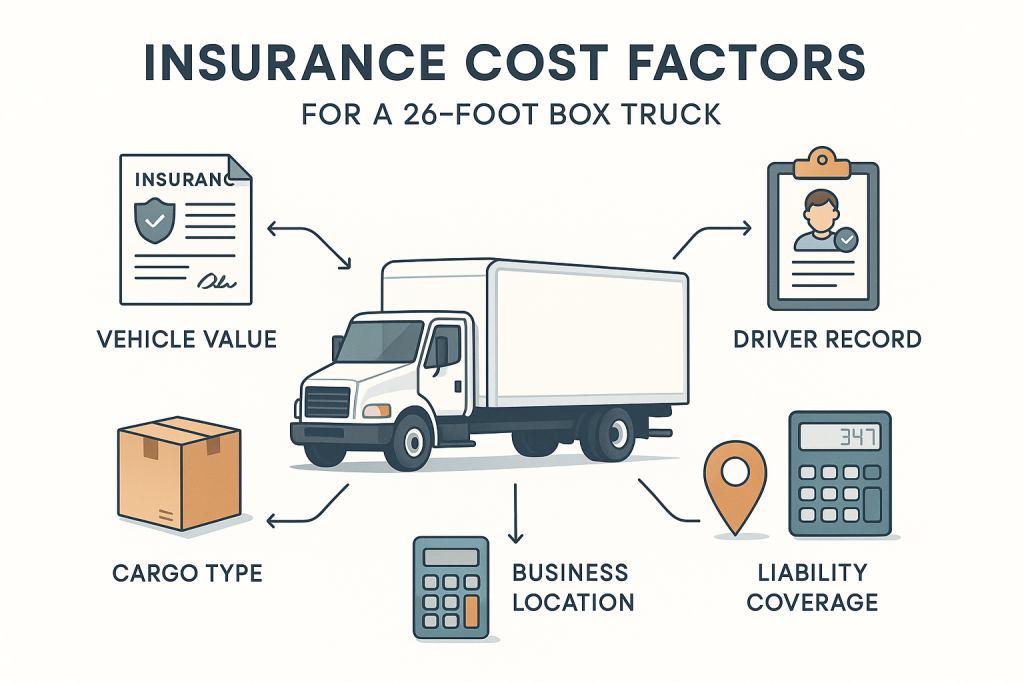
Purchasing insurance for a 26-foot box truck is one of the most important financial decisions for any owner-operator, moving company, delivery service, or commercial fleet. While every business wants affordable coverage, there isn't a single price that applies to every truck. Insurance premiums vary based on your vehicle, business operations, driving history, cargo, coverage selections, and several other risk factors.
Understanding how much is insurance for a 26-foot box truck can help you budget more accurately and choose a policy that protects your business without paying for unnecessary coverage. Whether you're purchasing your first commercial policy or reviewing an existing one, IIS Insurance Services helps business owners compare coverage options and find insurance solutions tailored to their operations.
What Determines the Cost of Insuring a 26-Foot Box Truck?
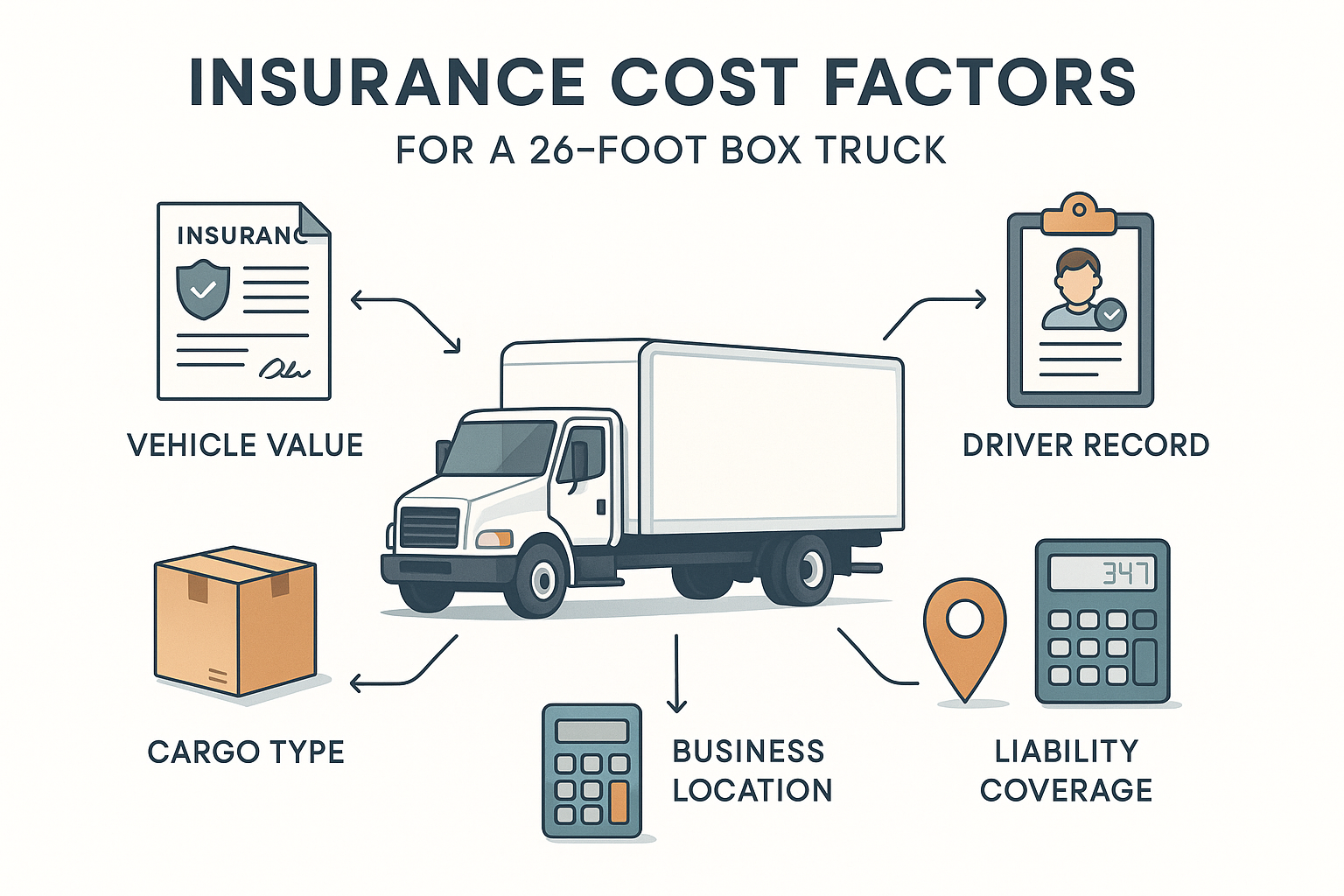
Insurance companies calculate premiums by evaluating the level of risk associated with your business. A larger commercial truck generally carries greater financial exposure than a passenger vehicle because it can transport heavier cargo, travel longer distances, and potentially cause more expensive claims.
Instead of using a standard rate, insurers review multiple factors before providing an insurance quote.
Some of the biggest pricing factors include:
- Vehicle size and value
- Business type
- Cargo being transported
- Annual mileage
- Operating radius
- Driver experience and history
- Claims history
- Coverage limits
- Deductible selections
- State insurance requirements
For example, a contractor using a truck locally a few days each week may pay less than a moving company operating daily with multiple drivers across several states.
Understanding these variables helps explain why insurance costs can vary significantly between businesses that own similar vehicles.
Average Costs for a 26-Foot Box Truck Insurance
One of the most common questions business owners ask is how much they should expect to spend each month.
Although premiums differ based on individual circumstances, most policies fall within a broad pricing range depending on the amount of coverage selected and the business's overall risk profile.
Typical factors affecting monthly premiums include:
| Business Profile | Insurance Cost Trend |
|---|---|
| New business with limited operating history | Generally higher premiums |
| Experienced owner-operator with clean driving record | Often lower premiums |
| Multiple drivers and expanding fleet | Moderate to higher premiums |
| High-value cargo operations | Higher premiums due to increased exposure |
| Local delivery businesses | Often lower than long-haul operations |
Rather than focusing only on the monthly premium, business owners should consider the overall value of the policy. A lower premium may include reduced liability limits, higher deductibles, or fewer coverage options, leaving the business responsible for larger out-of-pocket expenses after an accident.
Working with an experienced insurance agency allows you to compare policy options based on both cost and protection instead of price alone.
Why 26-Foot Box Trucks Cost More to Insure
Compared with smaller delivery vehicles or cargo vans, a 26-foot box truck presents additional risks that insurers must consider.
These larger vehicles:
- Carry heavier loads.
- Require longer stopping distances.
- Cost more to repair or replace.
- Can cause greater property damage during accidents.
- Often transport valuable commercial cargo.
- May operate on longer routes with increased road exposure.
Because of these factors, insurance companies frequently recommend higher liability limits and broader coverage options.
Businesses that transport customer goods may also need cargo insurance or additional endorsements required by contracts with shippers or brokers.
Although broader coverage may increase premiums, it also reduces the financial impact of unexpected claims that could otherwise disrupt business operations.
Coverage Choices That Affect Your Premium
The type and amount of coverage you purchase has one of the largest impacts on your insurance premium.
Most commercial truck policies combine several forms of protection, allowing business owners to customize coverage according to their operations.
Common coverage options include:
Liability Insurance
Liability insurance helps pay for bodily injury and property damage your business causes to others. It is required for most commercial vehicles and typically forms the foundation of every commercial policy.
Physical Damage Coverage
Physical damage coverage protects your own truck from covered losses. It generally includes:
- Collision coverage, which pays for damage resulting from an accident.
- Comprehensive coverage, which protects against theft, vandalism, fire, hail, and other non-collision events.
Businesses with financed or leased vehicles are often required by lenders to maintain this coverage.
Cargo Insurance
Cargo insurance protects goods being transported against covered losses.
Businesses hauling furniture, retail products, appliances, or commercial freight often carry cargo coverage to satisfy customer contracts and reduce financial exposure.
Additional Optional Coverages
Depending on your operation, you may also benefit from:
- General liability insurance
- Uninsured and underinsured motorist coverage
- Medical payments coverage
- Rental reimbursement
- Roadside assistance
- Equipment coverage
- Trailer interchange coverage where applicable
Selecting only the coverages your business genuinely needs helps balance protection with affordability.
How Your Business Operations Influence Insurance Costs
Insurance companies carefully evaluate how your truck is used because daily operations directly influence risk, insurance price, and the type of box truck insurance your business needs. Companies with greater exposure to accidents, theft, or cargo-related claims generally pay higher premiums than those with lower-risk operations.
Several operational factors can affect your premium, including:
- Whether you operate locally or across state lines
- The industries and customers you serve
- The value and type of cargo you transport
- Where your truck is parked when not in use
- Whether multiple drivers operate the same vehicle
- Annual mileage
- Seasonal or year-round business operations
For example, a company transporting high-value electronics typically presents greater financial exposure than one delivering office supplies. Similarly, trucks operating in densely populated urban areas often face higher accident risks than those serving primarily rural routes.
Providing accurate information during the quoting process helps insurers recommend coverage that reflects your actual operations. It also reduces the likelihood of coverage gaps and ensures your policy provides the protection your business requires as it grows.
Factors That Can Increase or Lower Your Insurance Premium
Insurance companies assess risk when calculating premiums, and even small differences in your business can affect the amount you pay. Understanding these factors gives you more control over your insurance costs and helps you make informed decisions when comparing policies.
Several factors may increase your premium, including:
- Drivers with previous accidents or traffic violations
- Frequent insurance claims
- High annual mileage
- Transporting expensive or specialized cargo
- Operating in areas with heavy traffic or higher theft rates
- Higher liability limits and additional policy endorsements
- Newly established businesses with limited operating history
On the other hand, certain factors may help lower your premium:
- Experienced drivers with clean driving records
- Regular vehicle maintenance and documented inspections
- Secure overnight parking
- Safety training programs for employees
- Lower annual mileage
- Choosing appropriate deductibles
- Bundling multiple commercial insurance policies with one provider
Insurance should never be selected based solely on price. A lower premium may come with reduced coverage or higher out-of-pocket costs after a claim. The goal is to find the right balance between affordability and protection.
Practical Ways to Reduce Insurance Costs
Reducing insurance expenses does not always require sacrificing coverage. Many businesses lower their premiums by improving risk management and reviewing their policies regularly.
Consider these practical strategies:
- Compare quotes from multiple insurance carriers.
- Review your policy each year to ensure your coverage still matches your business.
- Maintain clean driving records for every listed driver.
- Implement driver safety training programs.
- Install GPS tracking and security devices where appropriate.
- Keep accurate maintenance records for every truck.
- Choose deductibles that fit your financial situation.
- Bundle commercial auto insurance with other business policies when available.
Many businesses continue paying for coverage they no longer need simply because their policies are never reviewed. As your company grows, adding new vehicles, expanding service areas, or changing cargo types may require adjustments that improve both protection and overall value.
Working with an experienced insurance advisor helps identify opportunities to reduce unnecessary costs without creating coverage gaps.
Common Mistakes When Comparing Insurance Quotes
Comparing insurance quotes can be challenging because two policies with similar premiums may provide very different levels of protection.
Many business owners make the mistake of focusing only on monthly costs instead of evaluating the complete policy.
When reviewing insurance quotes, pay close attention to:
- Liability limits
- Deductible amounts
- Physical damage coverage
- Cargo insurance limits
- Policy exclusions
- Claims service reputation
- Optional endorsements
- Customer support and policy management
A lower-priced policy may appear attractive initially but could leave your business responsible for significant expenses after an accident.
Before making a decision, ask questions such as:
- Does the policy meet state and contractual requirements?
- Are all drivers properly covered?
- Does the cargo insurance reflect the value of what I transport?
- Are there exclusions that could affect my business?
- Will this policy continue to meet my needs as my business grows?
Taking time to compare policy details rather than premium alone often results in better long-term value.
Why Businesses Choose IIS Insurance Services
Finding the right insurance policy involves more than comparing prices online. Every business has unique risks, and selecting the appropriate coverage requires an understanding of commercial transportation operations.
IIS Insurance Services works with owner-operators, moving companies, contractors, delivery businesses, and commercial fleets to identify insurance solutions that fit their operations and financial goals.
Our team helps clients:
- Compare multiple commercial insurance options.
- Understand available coverage choices.
- Review liability limits and deductibles.
- Customize policies for their business operations.
- Meet state regulations and customer contract requirements.
- Update coverage as their businesses expand.
Instead of offering one-size-fits-all policies, we focus on providing practical recommendations that balance affordability with reliable protection.
Whether you're purchasing your first commercial truck policy or reviewing existing coverage, our experienced professionals are ready to help you make informed insurance decisions.
Get a Customized Quote for Your 26-Foot Box Truck
The cost of insuring a 26-foot box truck depends on many factors, including your business operations, driving history, cargo, location, and coverage selections. While no single premium fits every business, choosing the right policy can protect your company from unexpected financial losses while supporting long-term growth.
Rather than relying on minimum coverage or selecting a policy based solely on price, take time to evaluate your business's actual risks and insurance needs. A customized policy provides better protection, greater flexibility, and added confidence every time your truck is on the road.
If you're ready to compare coverage options or want to better understand how much insurance for a 26-foot box truck may cost for your business, contact IIS Insurance Services today. Our knowledgeable team will help you compare policies, explain your coverage options, and provide a personalized quote that fits both your budget and your business goals.