

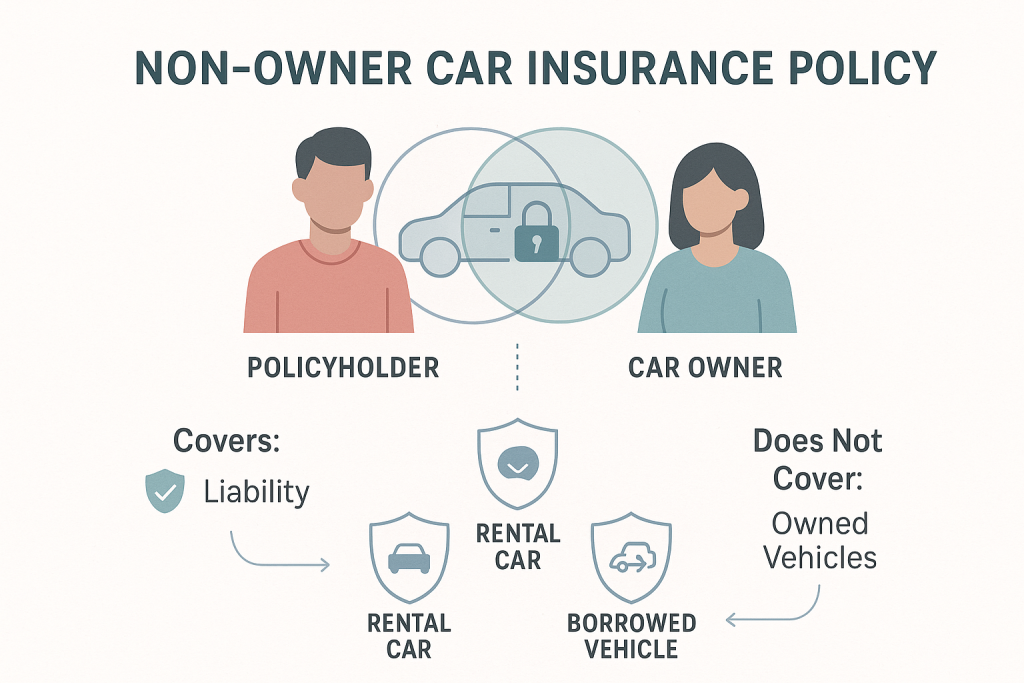
You may still need car insurance even when you don't own a vehicle. If you occasionally borrow a friend’s car, rent vehicles, use car-sharing services, or need an SR-22 to restore your driving privileges, a non-driver car insurance policy may provide the liability protection you need.
This coverage is commonly called non-owner car insurance policy. Instead of insuring one specific vehicle, the policy follows the named driver when they operate certain vehicles they don't own. It can help pay for injuries or property damage the insured driver causes to other people in a covered accident.
Non-owner coverage has important limits. It usually doesn't pay to repair the borrowed or rented car, and it's not designed for someone who owns a vehicle or regularly drives the same household car. Matching the policy to your actual driving habits is necessary to avoid gaps or claim problems.
IIS Insurance Services helps California drivers compare non-owner auto insurance and Non-Owner SR-22 options. Whether you're between vehicles, dealing with a past DUI, or simply need occasional-driving protection, its team can help you find coverage that fits your situation and budget.
What Is a Non-Driver Car Insurance Policy?
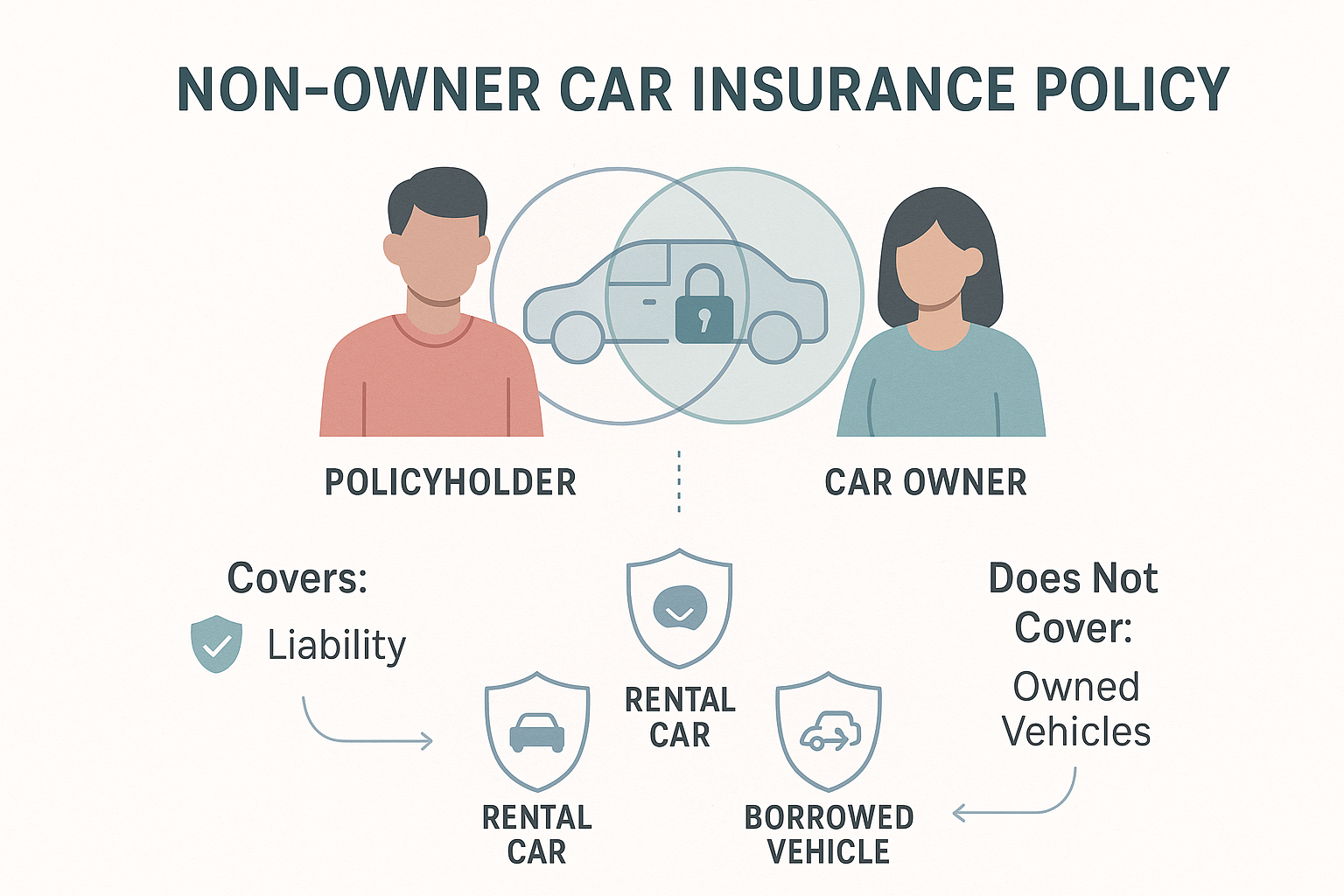
A non-driver car insurance policy is liability insurance for someone who doesn't own a vehicle but may still drive occasionally. The term “non-driver” can be confusing because the insured person does drive. “Non-owner policy” is the more common insurance term.
Unlike standard auto insurance, a non-owner policy isn't attached to a listed car, truck, or SUV. It's connected to the individual driver. If that person causes a covered accident while operating an eligible borrowed or rented vehicle, the policy may help pay for the other party’s injuries and damaged property.
Non-owner car insurance may be helpful for people who:
- Borrow vehicles occasionally from friends, relatives, or coworkers
- Rent cars regularly for personal travel
- Use qualifying car-sharing services
- Have sold a car but want to avoid a gap in insurance history
- Need proof of financial responsibility without owning a vehicle
- Must file an SR-22 after a DUI, suspension, or other violation
- Drive occasionally but don't have regular access to one specific car
The coverage is generally intended for occasional use. If you drive the same car every day, keep a borrowed vehicle at your home, or regularly use a household member’s vehicle, the insurance company may require you to be listed on that vehicle’s policy instead.
The vehicle must also have its own insurance. A non-owner policy doesn't replace the owner’s responsibility to insure the car. When an accident occurs, the vehicle owner’s policy may respond first, depending on the circumstances and policy terms. The non-owner insurance may then provide additional liability protection when applicable.
A non-owner policy may cost less than a standard owner policy because it doesn't insure a specific vehicle. However, the rate still depends on the driver’s age, location, driving history, claims, coverage limits, SR-22 status, and carrier.
Driving Someone Else's Car: What Non-Owner Car Insurance Covers
The main purpose of non-owner insurance is to provide liability coverage. Liability insurance helps protect you financially when you're legally responsible for an accident that injures another person or damages someone else’s property.
A typical policy may include:
Bodily injury liability. This coverage can help pay qualifying medical expenses, lost income, legal expenses, and other damages when you injure someone in a covered accident.
Property damage liability. This coverage can help pay to repair or replace another person’s vehicle, building, fence, or other property that you damage.
SR-22 filing when required. An insurer may file an SR-22 with the California DMV to show that the driver maintains qualifying liability coverage. The filing isn't insurance by itself. It's proof that an eligible policy is active.
Optional coverage may vary by insurer. Drivers should ask whether uninsured motorist protection, medical payments, or other benefits are available rather than assuming they're included.
| Driving situation | How non-owner coverage may help | Main limitation |
|---|---|---|
| Occasionally borrowing a friend’s car | May provide liability protection for injuries or property damage you cause | Usually doesn't repair the borrowed car |
| Renting cars for personal trips | May provide ongoing liability coverage rather than purchasing liability protection for every rental | Rental vehicle damage may require a separate waiver or other protection |
| Using a qualifying car-sharing service | May provide additional liability coverage, subject to policy terms | Platform coverage and policy exclusions must be reviewed |
| Remaining insured between vehicles | Can help prevent a gap in personal insurance history | It doesn't insure a vehicle you later purchase |
| Filing an SR-22 without owning a car | May satisfy the financial responsibility requirement when the driver qualifies | The filing must remain connected to continuous coverage |
| Driving a household vehicle regularly | Usually not an appropriate use of non-owner insurance | The driver may need to be added to the owner’s policy |
Non-owner coverage normally doesn't pay for physical damage to the car you're operating. If you damage a rental car, you may need a collision damage waiver from the rental company, qualifying credit card benefits, or another source of vehicle protection. If you damage a borrowed car, the owner’s policy may respond if the right coverage is active.
The policy also generally doesn't pay for theft, fire, vandalism, weather damage, mechanical breakdowns, personal belongings, or routine repairs. Its focus is liability for harm you cause to others.
When Non-Owner Auto Insurance Makes Sense
Non-owner auto insurance works best when the driver doesn't own a vehicle and uses other cars only occasionally. It can fill an insurance gap without requiring the person to insure a vehicle that's not theirs.
Frequent renters may benefit because the liability coverage can follow them from one eligible rental to another. This may be more convenient than buying liability coverage at the rental counter for every trip. However, rental agreements and policy rules differ, so drivers should confirm how the coverage applies before declining any rental company protection.
Someone who recently sold a vehicle may also use a non-owner policy to maintain continuous insurance. Insurers often review prior coverage history when quoting a future owner policy. Keeping insurance active may help prevent a lapse from creating another pricing obstacle when the person buys a car later.
Borrowers may consider a policy when they occasionally drive vehicles owned by people outside their household. The car owner’s insurance often applies first, but it may have low limits, restrictions, or excluded drivers. Having your own liability coverage may provide another layer of financial protection when the use qualifies.
A Non-Owner SR-22 can be particularly useful for a driver who must submit proof of financial responsibility but doesn't own a car. A DUI, license suspension, uninsured accident, or another serious violation may lead to an SR-22 requirement. The insurer files the certificate with the DMV while the non-owner insurance policy provides the underlying liability coverage.
Non-owner insurance may also help first-time drivers who have a license and occasionally borrow or rent cars but aren't listed on another policy. Eligibility varies, and some carriers may require a certain amount of prior driving or insurance history.
Business use deserves separate attention. A personal non-owner policy may exclude deliveries, rideshare work, transporting passengers for payment, or other commercial activity. Someone who drives for work may need commercial auto insurance, hired and non-owned auto coverage through a business, or another specially structured policy.
Before requesting a quote, be prepared to explain:
- Whether you own or have registered any vehicle
- How often you drive
- Whose cars you use
- Whether you live with the vehicle owner
- Whether you rent or use car-sharing services
- Whether any driving is work-related
- Whether you need an SR-22
- Your license and recent insurance status
Accurate details help the agent determine whether non-owners insurance fits or whether a standard owner, household, or commercial policy would be safer.
Liability Coverage: When a Non-Owner Policy Is Not the Right Fit
Non-owner insurance isn't a low-cost substitute for standard car insurance. If you own a vehicle, you generally need an owner policy that lists and insures that car.
You may also need another type of coverage if you have regular access to a vehicle. Examples include driving your spouse’s car every day, keeping a relative’s vehicle at your home, or routinely using a roommate’s car for work. The insurer may view that as habitual access rather than occasional borrowing.
In those situations, the proper arrangement may be to add you as a driver on the vehicle owner’s auto insurance policy. Trying to use non-owner coverage instead could leave you without protection when a claim occurs.
A non-owner policy may not be appropriate when:
- You own or register a car
- You regularly drive one specific vehicle
- You frequently use a vehicle owned by someone in your household
- You're already listed on another active auto policy
- You drive for rideshare, delivery, or paid transportation work
- You need coverage for damage to the vehicle you operate
- You solely drive an employer-provided vehicle under a business policy
- You don't drive at all and have no SR-22 or continuous-coverage need
Drivers shouldn't assume that permissive use under the car owner’s policy always applies. The owner’s policy may exclude a driver by name, limit household drivers, restrict business use, or provide insufficient liability limits. Ask the vehicle owner to confirm coverage before borrowing the car.
Car-sharing services also require careful review. Platform-provided insurance may apply only during certain parts of the rental or trip. Personal non-owner policies may have exclusions for peer-to-peer car-sharing arrangements. Confirm eligibility with both the carrier and the platform.
A suspended license doesn't necessarily eliminate the need for insurance. Someone may need to purchase a Non-Owner SR-22 as part of the reinstatement process before being allowed to drive again. However, the policy doesn't give the person permission to drive while the license remains suspended.
IIS Insurance Services can review your vehicle access, household situation, driving frequency, and SR-22 requirements before recommending a policy. That conversation can prevent you from paying for insurance that doesn't match how you actually use a car.
Non-Owner SR-22 Insurance and Continuous Vehicle Coverage
A driver may need an SR-22 even without owning a vehicle. California courts or the DMV may require the filing after certain violations, including a DUI or driving without insurance.
An SR-22 is a certificate, not an insurance policy. The insurance company files it with the DMV to confirm that qualifying liability coverage is active. When the driver doesn't own a vehicle, the filing may be attached to an eligible non-owner policy.
Non-Owner SR-22 insurance follows the driver rather than a specific car. It may provide liability protection when the insured person occasionally operates a qualifying borrowed or rented vehicle. It doesn't cover a vehicle owned by the driver, a vehicle that's regularly available, or a household car the driver frequently uses.
Maintaining continuous coverage is especially important. If the policy is canceled or lapses, the insurer may notify the DMV. This can lead to another suspension, reinstatement delays, added fees, or interruption of the required filing period.
To reduce the chance of a lapse:
- Set up automatic payments when practical.
- Keep your billing and contact information current.
- Open notices from the insurer and DMV promptly.
- Contact your agent before switching carriers.
- Activate replacement coverage before canceling the existing policy.
- Confirm that the filing period has ended before removing the SR-22.
- Replace the non-owner policy with owner insurance before purchasing a vehicle.
Find the Right Non-Owner Coverage with IIS Insurance Services
A non-driver car insurance policy can be a practical choice when you drive occasionally but don't own a vehicle. It may provide liability protection for eligible borrowed or rented cars, help prevent an insurance gap, or support an SR-22 filing.
The policy must reflect your real driving habits. It's not designed for an owned car, daily use of the same vehicle, regular household access, or many types of business driving.
IIS Insurance Services helps California drivers compare non-owner car insurance and Non-Owner SR-22 policies from participating carriers. Its licensed agents can explain what the policy covers, identify important exclusions, arrange an SR-22 when required, and help you choose coverage that fits your driving frequency and budget.
Gather your license information, driving history, SR-22 notice, and details about the vehicles you use before requesting a quote. Contact IIS Insurance Services for fast, friendly help finding non-owner coverage without paying for a traditional policy you don't need.