

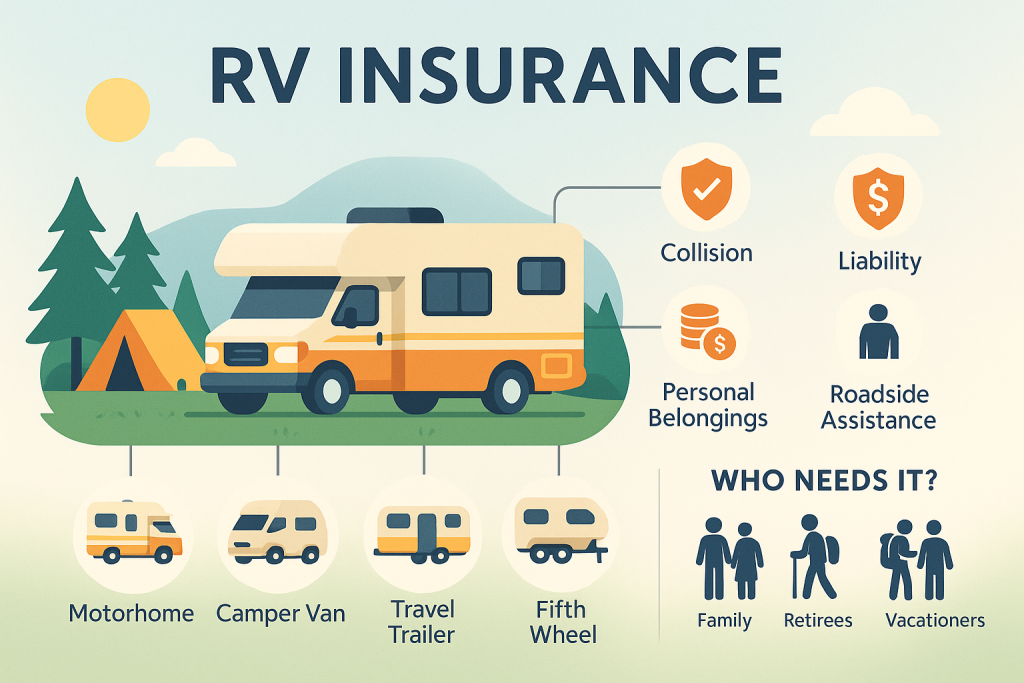
Protecting an RV starts with understanding how different parts of the policy respond to damage. Knowing what does rv comprehensive coverage include can help you decide whether your current protection is enough while the vehicle is parked, stored, or on the road. This coverage generally applies to losses that don't result from a traffic collision, including theft, vandalism, fire, falling objects, and covered weather events such as hail, wind, lightning, and flooding.
An RV may face damage even when no one is driving it. A motorhome stored beside your home could be struck by a falling tree limb. A travel trailer at a campground could be vandalized. A wildfire, hailstorm, or flash flood could also cause costly damage while the unit is parked.
Coverage details for recreational vehicle protection depend on the carrier, policy language, limits, deductible, vehicle type, and how the RV is used. Personal belongings, permanently attached equipment, and custom upgrades may require separate coverage or higher limits.
IIS Insurance Services helps California RV owners, including first-time buyers, compare options from multiple carriers without unnecessary complexity. The team considers the vehicle, travel habits, storage arrangements, and budget while explaining pricing and coverage differences. Whether you're a weekend camper, seasonal traveler, snowbird, or full-time RV resident, IIS can help you find personalized protection without paying for options you don't need.
How a Comprehensive RV Insurance Policy Works
Non-collision coverage is one part of a broader RV insurance policy. Liability insurance addresses injuries or property damage you cause to others. Collision coverage generally pays for damage to your RV after it hits another vehicle or object. Non-collision protection applies to other covered events.
For example, suppose a storm sends a tree branch through the roof of your camper. The loss did not involve another vehicle, so collision insurance would usually not apply. Non-collision protection may help pay for repairs after the deductible, subject to the policy's terms and limits.
The same principle applies if someone steals the RV, damages it during an attempted theft, or breaks a window while it is stored. Covered losses may include fire, hail, wind, lightning, flooding, theft, vandalism, and falling objects, depending on the policy's terms, limits, exclusions, and deductible.
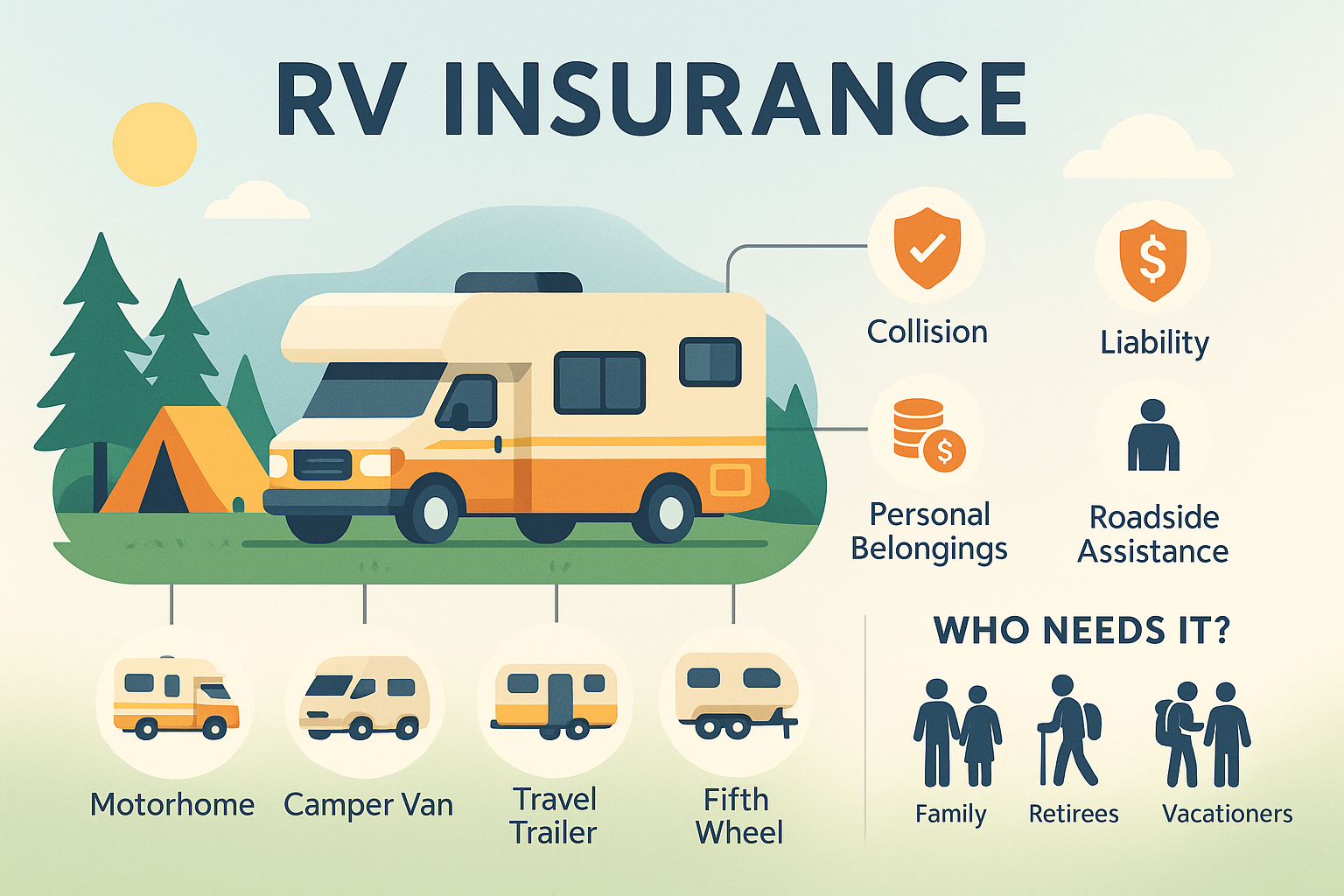
A deductible is the amount you pay toward a covered claim. If repairs cost $6,000 and the policy has a $1,000 deductible, the insurer may pay up to $5,000, assuming the entire loss is covered and within the policy limit.
A total loss is settled using the valuation method listed in the policy. That method could involve actual cash value, agreed value, or another form of replacement protection. Actual cash value accounts for depreciation. An agreed-value policy uses an amount established when coverage is purchased. The IIS Insurance Services team can explain how each method may affect your payment after a total loss.
Covered Events and Common Claim Examples
Although policy forms differ, non-collision insurance often applies to several categories of physical loss.
| Covered Event | Example of RV Damage | Coverage Consideration |
|---|---|---|
| Theft or attempted theft | The RV is stolen, or locks and doors are damaged during a break-in | Vehicle coverage and personal property limits may apply separately |
| Vandalism | Paint is scratched, windows are broken, or exterior equipment is damaged | A police report and photographs may be requested |
| Fire or smoke | An electrical fault, nearby fire, or covered appliance incident damages the unit | Maintenance problems and excluded causes may affect the claim |
| Wind or hail | Hail dents exterior panels, or wind damages the roof and awning | Roof condition and prior damage may be reviewed |
| Falling objects | A tree limb, sign, or debris lands on the RV | The deductible usually applies to the covered physical loss |
| Flood or rising water | Water damages flooring, walls, wiring, or appliances | Coverage depends on the cause and policy exclusions |
| Animal contact | A deer strikes the motorhome, or an animal damages an exterior component | Rodent and pest damage may be treated differently |
| Glass damage | A windshield or window cracks because of flying debris | Some policies offer separate glass terms or deductibles |
Theft protection generally applies to the insured vehicle, but it doesn't mean every item inside receives full reimbursement. Personal property may have a separate limit, and certain belongings can be subject to category limits or exclusions. Jewelry, cash, collectibles, business equipment, and high-value electronics may need added protection.
A sudden accidental fire may be covered, while damage caused by poor maintenance, deterioration, or an excluded mechanical problem may not be. Insurers may examine the source of the fire, the vehicle's condition, and whether the owner took reasonable steps to prevent further damage.
Weather-related issues are especially relevant for California owners. Wildfires, strong winds, flooding, falling branches, and hail can affect RVs at home, in storage, or during travel. The policy should reflect where the unit is stored and used.
Rodent and pest damage can be handled differently from sudden animal contact, such as striking a deer. Damage caused by mice, rats, insects, or other pests may be excluded, particularly when it develops over time. An IIS agent can help you review how different types of animal damage may be treated.
What Comprehensive RV Insurance May Not Cover
Non-collision protection has limits. It isn't a maintenance plan or mechanical warranty. Whether a claim is covered depends on what caused the damage and what the policy includes, excludes, and requires.
Common exclusions or limitations may involve:
-
Normal wear, aging, corrosion, rust, mold, rot, and gradual deterioration
-
Mechanical or electrical breakdown not caused by a covered event
-
Damage resulting from poor maintenance or unrepaired leaks
-
Tires damaged through ordinary use, defects, or road wear
-
Insects, rodents, vermin, or other pest infestations
-
Freezing damage when reasonable precautions were not taken
-
Personal belongings above the stated property limit
-
Commercial use that was not disclosed or insured
-
Intentional damage or fraudulent claims
-
Losses occurring outside the policy's permitted territory
Water damage is one area where the cause matters. Sudden water intrusion after a covered storm may receive different treatment from a roof leak that developed over several months. Gradual seepage, worn seals, neglected caulking, or long-standing moisture may be treated as maintenance-related damage.
A standard policy may also limit coverage for custom additions. Solar panels, satellite systems, upgraded appliances, generators, cabinetry, awnings, and permanently installed accessories can increase the RV's value. Sharing accurate details helps make sure your limits reflect the cost of repairing or replacing the equipment.
Personal property also requires review. RV owners may carry clothing, cookware, camping equipment, bicycles, electronics, tools, and outdoor furniture. Full-time residents may keep many household belongings inside the unit. A basic property limit may not be enough for an extended trip.
Owners should ask whether the policy covers replacement cost or depreciated value for belongings and whether protection extends to items used around the campsite.
Coverage Needs for Motorhomes and Travel Trailers
The right policy structure depends partly on the type of recreational vehicle. A motorhome is driven under its own power, so it generally needs liability insurance that satisfies state requirements. Collision and non-collision physical damage coverage can then protect the motorhome itself.
A travel trailer, fifth wheel, or pop-up camper is pulled by another vehicle. Liability from the tow vehicle may extend to the trailer while it is attached and being towed, but that extension generally doesn't pay for physical damage to the trailer. Separate trailer coverage may be needed for theft, fire, storms, vandalism, and collision losses.
How the vehicle is used also affects the protection needed. Someone who takes two short trips each year has a different risk profile from a person who spends most of the year traveling. Full-time RV users may need broader personal liability, higher limits for belongings, and coverage for incidents that occur while the RV is being used as a residence. Learning how to reduce full-time RV insurance costs can help long-term travelers balance broader protection with a manageable premium.
Vacation liability may help when the RV is parked and used as temporary living space. It can address certain bodily injury or property damage claims at a campsite. For example, a visitor could trip over equipment outside the RV or be injured while entering the unit. This differs from liability related to operating the motorhome on a public road.
Other optional protections may include roadside assistance, towing, temporary living expenses, campsite liability, personal belongings coverage, and protection for attached equipment, depending on the insurer and policy.
Storage arrangements also matter. An RV stored outdoors may face greater exposure to theft, falling objects, weather, and vandalism. Indoor storage reduces some risks but doesn't remove the need for protection against fire, theft, or other covered losses. Some carriers allow coverage adjustments during long storage periods while leaving non-collision protection active.
How to Select Insurance Policy Limits, Deductibles, and Added Protection
Choosing coverage starts with looking at the RV's value and deciding how much you could afford to pay after a loss. Focusing only on the lowest premium can leave a costly gap. The goal is to balance budget-friendly pricing with enough protection for the RV, your belongings, and the way you travel. It can also help to understand how RV and car insurance costs compare before deciding whether a quote fits your budget.
Start by estimating the RV's current value and documenting upgrades. Keep purchase records, installation receipts, photographs, model numbers, and service records. If the vehicle includes custom work or expensive attached equipment, tell the agent before the policy is issued.
Next, review your deductible. A higher deductible may lower the premium, but it also raises the amount you pay after a loss. An IIS agent can compare deductible and premium options, helping you choose an amount that fits your budget.
Consider the following questions during a policy review:
-
Is the RV used occasionally, seasonally, or as a primary residence?
-
Where is it stored between trips?
-
What is the value of the personal property normally carried inside?
-
Does the unit have custom equipment, solar panels, or upgraded appliances?
-
Would you need temporary lodging if the RV became unusable during a trip?
-
Do you travel outside California or remain in remote areas for long periods?
-
Is roadside assistance included, limited, or available as an option?
-
How would a total loss be valued under the policy?
-
Are water, glass, animal, and weather claims subject to special terms?
-
Does the policy include coverage while the RV is parked at a campsite?
The IIS Insurance Services team explains exclusions, limits, deductibles, and optional coverages in plain English. A clear quote should show what you're paying for, how a total loss would be valued, and where restrictions may apply. Comparing price and protection helps you avoid unnecessary options while reducing coverage gaps.
Contact IIS Insurance Services after purchasing a new RV, installing expensive equipment, changing storage locations, or beginning full-time travel. A policy review can keep your protection aligned with the vehicle and how you use it.
Protect Your RV with IIS Insurance Services
Damage to your RV can happen on the highway, at a campsite, in your driveway, or inside a storage facility. The right policy can help pay for covered losses caused by theft, fire, vandalism, storms, falling objects, and other non-collision events listed in the policy.
IIS Insurance Services helps California RV owners compare policies based on vehicle type, value, usage, storage, and budget. The team works with multiple carriers and explains coverage and pricing differences, creating a simpler experience. You'll receive responsive support and personalized recommendations designed around your circumstances, without unnecessary protection or cost.
Talk with IIS Insurance Services for a personalized RV insurance quote before your next trip. A friendly agent can help you compare affordable options, understand your limits and deductibles, and choose protection that fits your RV lifestyle and budget.