

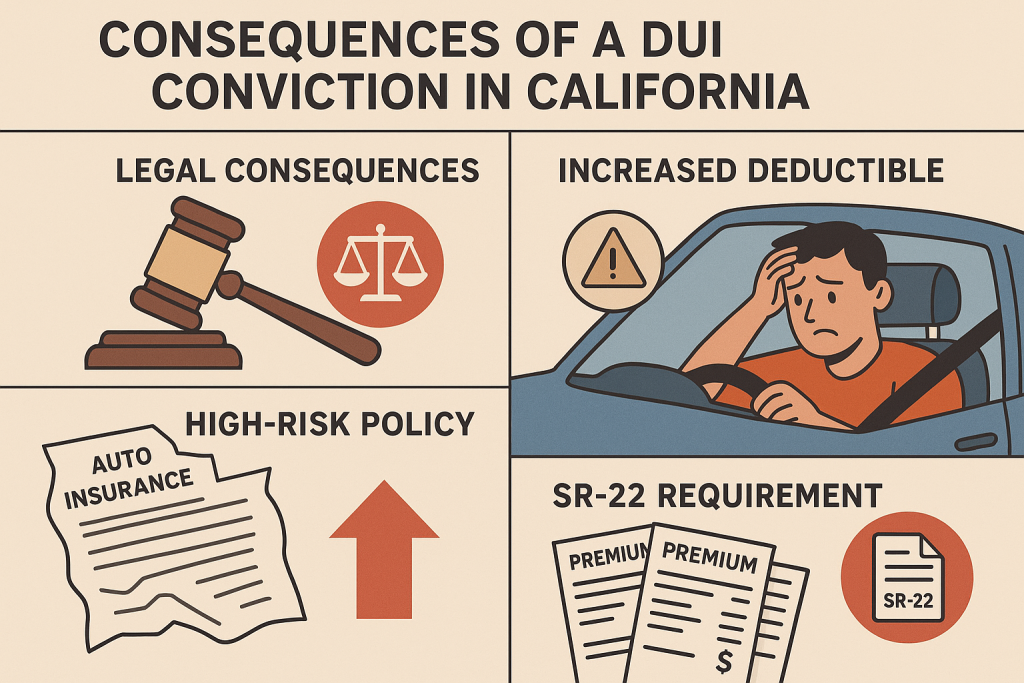
A DUI can cause a sharp increase in car insurance costs. Some drivers may see their premiums rise substantially, while others may lose access to preferred rates or receive a non-renewal notice from their current insurance company.
How much does car insurance go up after DUI? There's no single percentage that applies to every driver. The increase depends on your prior driving record, insurer, vehicle, location, coverage choices, and whether the incident involved an accident. Repeat offenses can make the financial impact even greater.
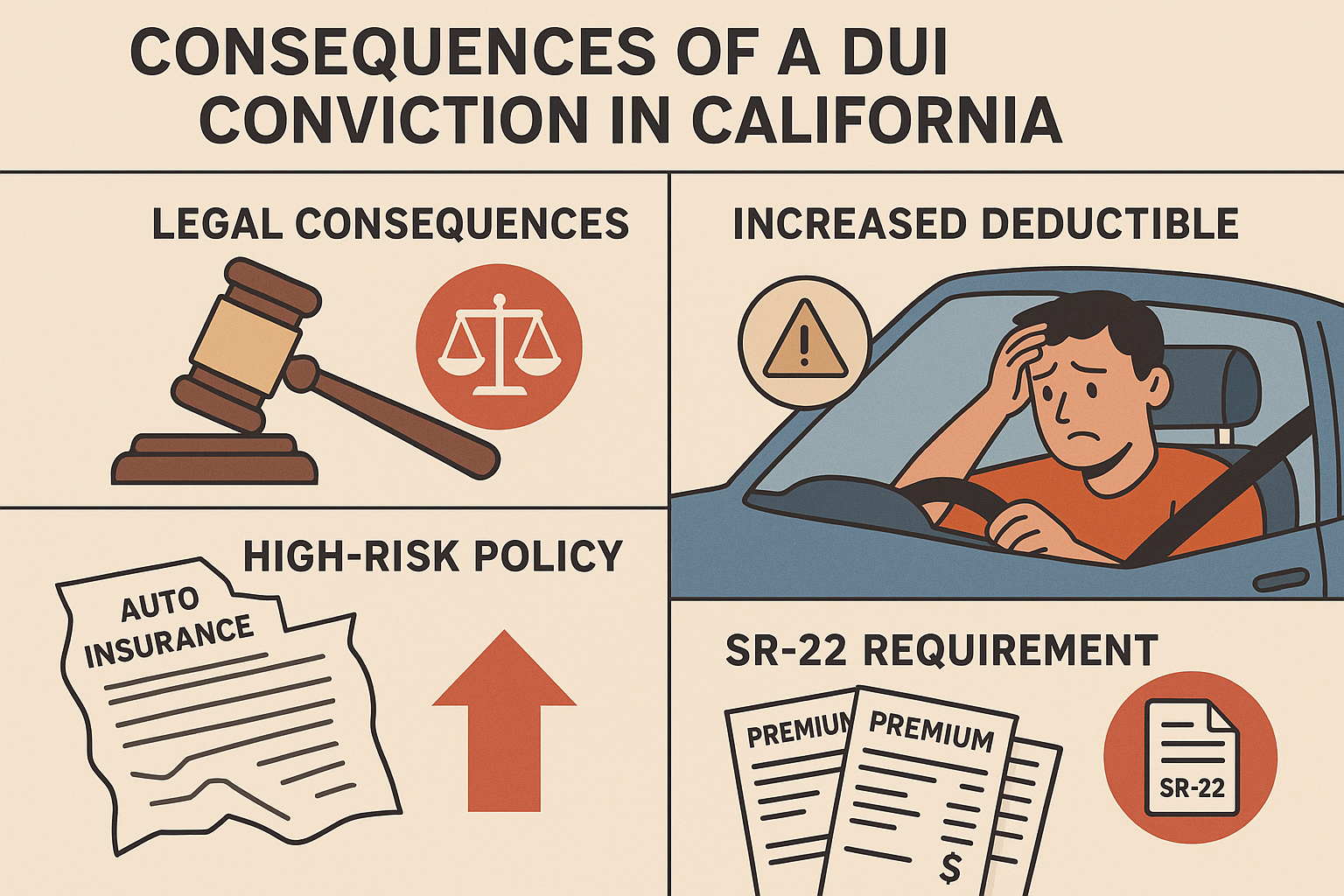
A DUI may also trigger an SR-22 filing requirement before your driving privileges can be restored. That filing must remain connected to an active insurance policy, so choosing coverage you can afford to maintain is especially important.
IIS Insurance Services helps California drivers compare DUI insurance options, complete SR-22 filings, and find policies suited to difficult driving records. Since 2009, the agency has focused on fast, friendly service and practical coverage choices for people working to move forward after a setback.
The Average Rate Increase after a DUI
Drivers often ask, “How much does car insurance go up after a DUI?” The most accurate answer is that it varies considerably. California drivers may experience premium increases ranging from 50% to 150% or higher, with some policies doubling or tripling after a conviction.
These figures should be treated as general examples rather than a promise of what any individual driver will pay. A personalized quote is the only reliable way to estimate your new premium.
Suppose a driver previously paid $1,800 per year. A 50% rate increase would raise their annual premium to $2,700. A 100% increase would bring it to $3,600. A greater increase could place the annual cost above $4,000.
The DUI itself isn't the only source of the added cost. Many drivers also experience a loss of preferred rates and safe-driver discounts. Losing those savings can make the increase appear even larger when the policy renews.
An insurer may respond to a DUI conviction in several ways:
- Raise the premium at the next renewal
- Move the driver into a nonstandard or high-risk program
- Remove violation-free or good-driver discounts
- Require a larger down payment
- Restrict available payment plans
- Decline to renew the policy
- Limit access to certain optional coverage
Your insurance may not change immediately after an arrest. The adjustment often happens when the company reviews your driving record, which may occur at renewal or when you apply for another policy. An SR-22 request or DMV action may alert the carrier sooner.
A DUI affects each company differently. One insurer may increase the price dramatically, while another may offer a policy at a lower rate because it regularly serves high-risk drivers. This difference makes comparison shopping one of the most useful steps you can take.
What Determines Your Insurance Costs after a DUI?
Insurance companies calculate rates using several factors. A DUI carries significant weight, but it is evaluated alongside the rest of your personal and policy information.
The following factors can influence the insurance rate increase:
Your previous driving record. A driver with a clean record before the offense may receive a different quote from someone with speeding tickets, accidents, or prior suspensions.
The number of DUI convictions. Repeat offenses usually lead to higher rates and fewer carrier options. Multiple convictions may also create longer or stricter DMV requirements.
The age of the offense. A recent violation generally has a stronger effect than an older one. Some companies may offer better pricing as time passes without another incident.
Your vehicle. Expensive, high-performance, frequently stolen, or costly-to-repair cars usually cost more to insure. An older, lower-value vehicle may cost less, especially without collision and comprehensive coverage.
Your location. Rates differ across California based on local claims patterns, repair expenses, theft rates, and other approved geographic factors.
Your coverage limits. Higher liability limits offer greater financial protection but normally cost more than minimum coverage.
Your deductibles. Raising the deductible for collision or comprehensive coverage may reduce the premium, but you will pay more after a covered claim.
Your insurance history. A lapse can make it harder to obtain favorable pricing. Maintaining continuous coverage is particularly important when an SR-22 is required.
| Factor | Possible effect on your rate | Practical response |
|---|---|---|
| Recent DUI conviction | Higher premium and fewer carrier choices | Compare companies that accept DUI records |
| Multiple offenses | Larger increase and stricter underwriting | Work with a high-risk insurance specialist |
| Previous clean record | May help compared with a record containing several violations | Avoid new tickets and accidents |
| Expensive or high-performance car | Higher repair and claims exposure | Request a quote before changing vehicles |
| Higher coverage limits | Greater protection at a higher cost | Balance affordability with financial risk |
| Higher deductible | May lower the premium | Choose an amount you could afford after a claim |
| Coverage lapse | Possible higher pricing and DMV problems | Use reminders or automatic payments |
Ask for quotes using the same vehicles, drivers, limits, deductibles, and optional benefits. Otherwise, a cheaper quote may simply provide less protection.
Monthly payment amounts can also be misleading. Review the total policy premium, down payment, installment fees, SR-22 filing charge, and cancellation terms before choosing a company.
SR-22 Requirements and Coverage Changes after a DUI
An SR-22 is a certificate of financial responsibility. It's not a separate insurance policy and doesn't provide coverage by itself.
An authorized insurer files the certificate with the California Department of Motor Vehicles to confirm that you have an eligible liability policy. The DMV may require this filing before reinstating or restricting your license.
If you own a car, you will generally need an auto policy that insures the vehicle and includes the SR-22. Depending on availability and your choices, the policy may include:
- Bodily injury and property damage liability
- Collision coverage
- Comprehensive coverage
- Uninsured or underinsured motorist protection
- Rental reimbursement
- Roadside assistance
If you don't own a car, a Non-Owner SR-22 policy may be suitable. It generally provides liability protection while you occasionally drive certain borrowed or rented vehicles.
A non-owner policy may not be appropriate if you regularly use the same car, live with someone whose vehicle you frequently drive, or should be listed on another household policy. It also typically doesn't pay for damage to the vehicle you're operating.
Accurate information is important. Misstating your address, vehicle ownership, household drivers, or regular vehicle access can create coverage problems later.
The SR-22 normally must remain connected to uninterrupted insurance. If the policy lapses or is canceled, the insurer may report the change to the DMV. That report can cause another suspension or interfere with the filing period.
Protect your policy by:
- Setting up automatic payments when practical.
- Updating expired payment cards promptly.
- Opening every notice from the insurer and DMV.
- Contacting the agency before switching carriers.
- Activating replacement coverage before canceling the old policy.
- Confirming with the DMV before removing the SR-22.
Don't assume that license reinstatement means the filing requirement has ended. The SR-22 may need to stay active for a longer period.
IIS Insurance Services can help determine whether a standard or Non-Owner SR-22 policy fits your situation. Its agents can also arrange the filing and explain how to keep it active without an accidental gap.
How Multiple DUI Offenses Affect Insurance Premiums
A second or later offense can create steeper premium increases and reduce the number of companies willing to provide coverage. Insurers view repeated incidents as evidence of a continuing pattern rather than a single mistake.
Some standard companies may decline the application entirely. Others may offer only liability coverage, require a substantial down payment, or place the driver in a specialized high-risk program.
Repeat offenses can also affect:
- The duration of license suspension or revocation
- DUI program requirements
- Ignition interlock obligations
- Eligibility for restricted driving privileges
- The period during which an SR-22 is required
- Access to commercial or business-use auto coverage
- Vehicle and driver restrictions within the policy
Insurance after multiple convictions may cost several times the driver’s previous premium. Coverage choices may become narrower, and traditional insurers may be less willing to issue a policy.
A driver with multiple offenses should focus on finding a policy that can be maintained consistently. An unusually low initial payment isn't helpful if the monthly installments are unaffordable and the policy soon lapses.
Continuous coverage matters because each cancellation can create another obstacle. It may trigger a DMV report, delay the return to legal driving, and make the next insurance application harder.
Drivers who use a vehicle for work should also check whether the DUI affects commercial insurance eligibility. A personal policy doesn't normally cover every form of business use. Employers and commercial insurers may also apply separate driving-record standards.
Be clear with your agent about how the car is used. The policy must match personal, commuting, delivery, rideshare, or other business-related exposure.
Even with multiple offenses, insurance may still be available through carriers that specialize in difficult records. An independent agency can compare those options and identify which companies are willing to file the required SR-22.
Ways to Reduce Insurance Premiums after a DUI
You may not be able to prevent the initial increase, but you can take steps to manage costs and improve your future options.
Start by comparing quotes from several carriers. Insurance companies don't all evaluate DUI convictions in the same way. The carrier that offered the best rate before the incident may become one of the most expensive afterward.
Review your policy carefully rather than removing coverage at random. Liability-only insurance may lower the price, but it won't repair or replace your own car after an at-fault accident.
Collision and comprehensive coverage may be less cost-effective on some older vehicles. However, lenders and leasing companies commonly require both. Check the financing agreement before removing them.
A higher deductible can also lower insurance premiums. Choose an amount that wouldn't create another financial problem if you had to file a claim.
Ask whether you still qualify for discounts. Availability differs by company, but possible savings may include automatic payments, bundling, low mileage, or approved vehicle safety equipment.
A defensive driving course may help with certain insurers. It doesn't erase the DUI or replace court-ordered education, so confirm eligibility before enrolling solely for a discount.
The strongest long-term steps are straightforward:
- Maintain continuous coverage
- Avoid new tickets and accidents
- Follow all license restrictions
- Complete court and DMV requirements
- Pay premiums on time
- Review quotes at every renewal
- Keep your policy information accurate
Don't cancel insurance simply because your license is suspended. Canceling may create a lapse, leave an owned vehicle uninsured, or interfere with an SR-22 requirement. Speak with an agent about the correct policy arrangement before making changes.
As the conviction becomes older and your record remains clean, additional companies may become willing to insure you. Rates don't always fall automatically, so request a new comparison periodically.
Compare California DUI Insurance with IIS Insurance Services
A DUI can increase your premium, reduce your carrier choices, and create new filing obligations. It doesn't mean you must accept the first expensive policy offered.
IIS Insurance Services helps California drivers compare auto insurance, high-risk policies, SR-22 filings, and Non-Owner SR-22 coverage. Its agents can explain the differences between quotes and help you choose coverage that fits your vehicle use, DMV requirements, and budget.
Gather your driver’s license details, vehicle information, current declarations page, and DMV notice before requesting a quote. Contact IIS Insurance Services for personalized help finding coverage you can maintain while rebuilding your driving record.