

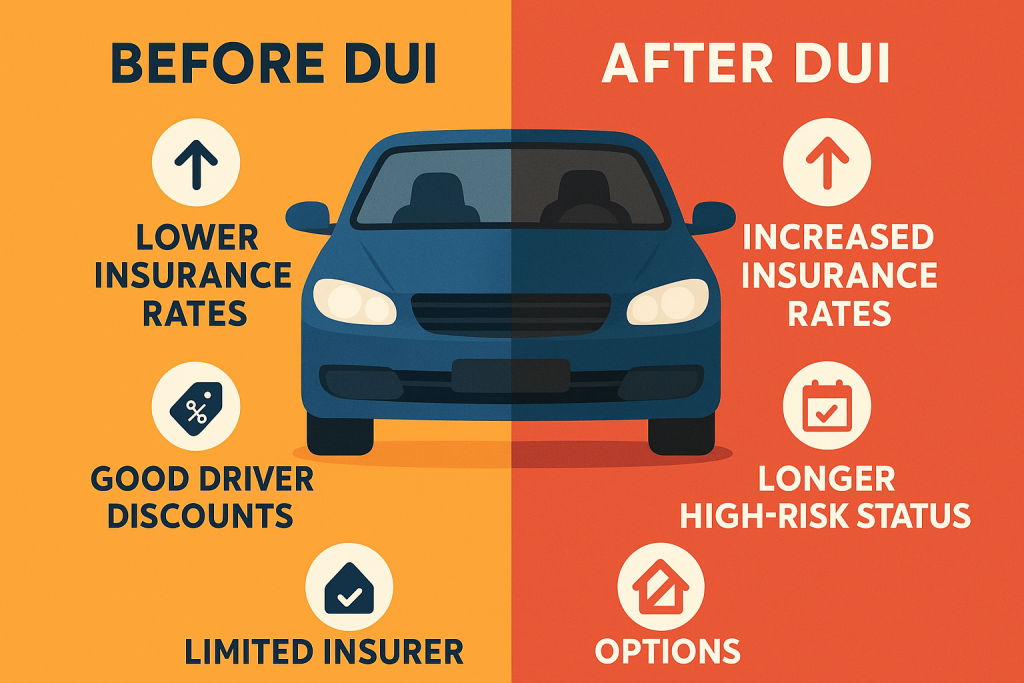
A DUI can change your car insurance options almost overnight. You may face a significant rate increase, lose access to preferred programs, or need an SR-22 filing before the California Department of Motor Vehicles restores your driving privileges.
Finding coverage may also become harder. Some insurance companies don't accept drivers with a recent DUI conviction, while others offer high-risk auto policies with different prices, payment terms, and coverage limits. The company that insured you before the offense may no longer provide the best value after it.
The best car insurance companies for DUI drivers aren't always the biggest or most familiar names. The right company is one that accepts your record, can handle any required filings, offers suitable protection, and charges a price you can realistically maintain.
IIS Insurance Services helps California drivers compare insurance providers that work with DUI records. Since 2009, its team has focused on fast service, clear explanations, and budget-conscious insurance options without judgment.
How a DUI Affects Auto Insurance Rates
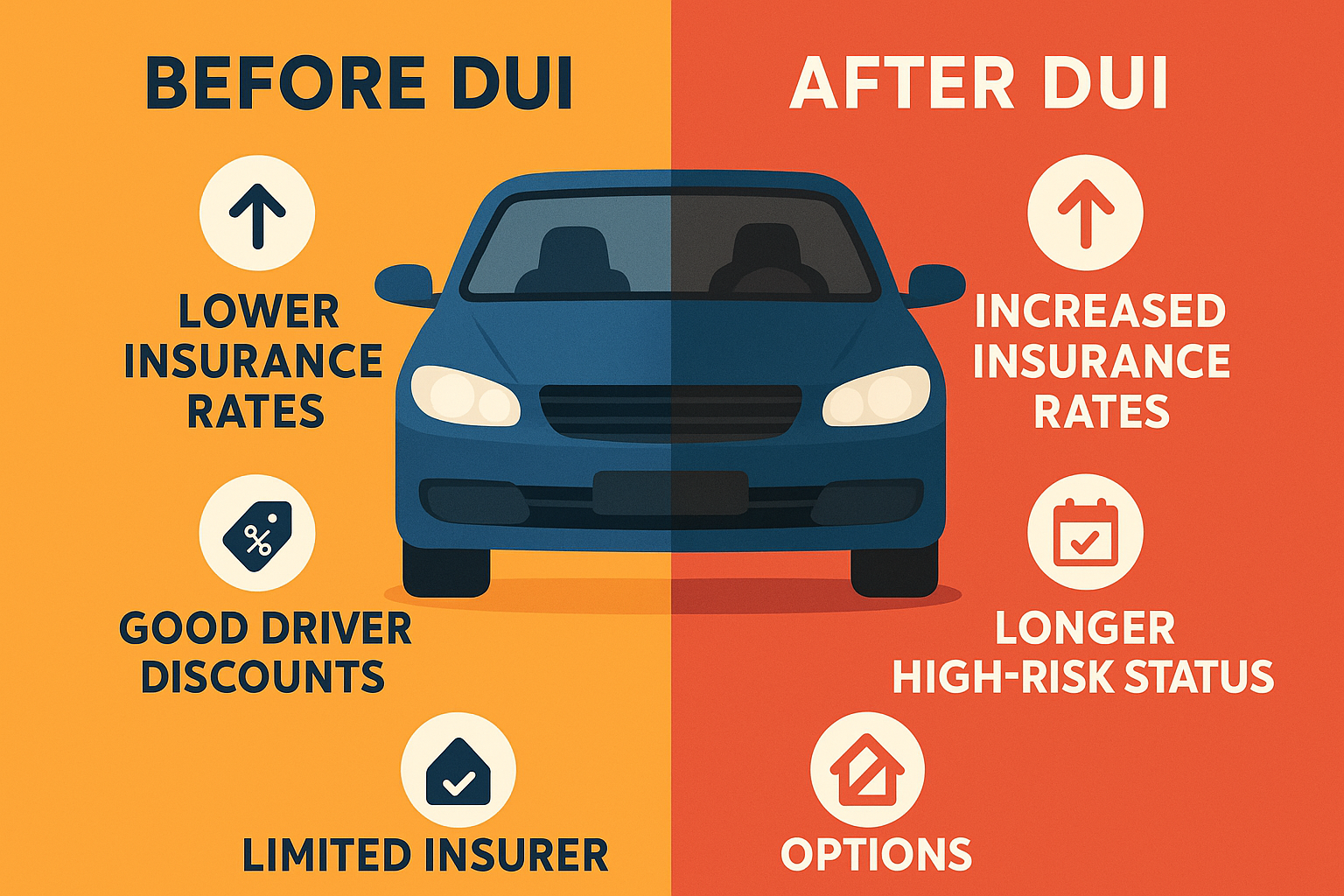
Insurance companies use your driving history to estimate the likelihood of future accidents and claims. A DUI signals increased risk, so a driver may be moved from a standard or preferred rating group into a high-risk category.
That change commonly affects both price and eligibility. Your insurer may raise your premium, move the policy into another program, or issue a non-renewal when the current term ends.
A DUI can affect:
- Your monthly or annual premium
- Access to good-driver discounts
- Down payment and installment requirements
- Eligibility with preferred insurance companies
- Availability of collision and comprehensive coverage
- The need for an SR-22 filing
- The number of companies willing to provide quotes
There's no standard percentage increase that applies to every California driver. Rates depend on the insurer, your age, location, vehicle, coverage history, mileage, prior violations, and any previous claims.
The timing of the offense also matters. A recent DUI conviction usually has a stronger effect than an older violation. Multiple DUI incidents, accidents, or additional traffic offenses can lead to even stricter underwriting.
A DUI can raise rates even if the incident didn't involve a collision. Insurers evaluate the driving offense itself because it may indicate a higher chance of future loss.
Your current company may not be the cheapest after the conviction. Insurance providers use different rating methods, so one may charge far less than another for the same driver, vehicle, and coverage.
This is why comparing several matching insurance quotes is so important. Each quote should include the same drivers, vehicles, limits, deductibles, and optional protection. Otherwise, a lower price may simply reflect reduced coverage.
What Insurance Coverage Is Available after a DUI?
A DUI doesn't prevent you from purchasing car insurance, but it may narrow your choices. Depending on your record and vehicle, you may still qualify for liability, collision, comprehensive, uninsured motorist, rental reimbursement, and roadside assistance.
The first priority is selecting a policy that meets California requirements and any conditions connected to your license status. The second is deciding how much protection you need beyond the required minimum.
| Coverage option | What it does | Who may need it | Cost consideration |
|---|---|---|---|
| Liability insurance | Pays for covered injuries or property damage you cause | Every insured vehicle owner | Lower limits may cost less but provide less financial protection |
| Standard auto policy with SR-22 | Provides vehicle coverage and supports the required state filing | Drivers who own a car and need an SR-22 | DUI history may increase the base premium |
| Non-Owner SR-22 policy | Provides liability protection while occasionally driving certain borrowed or rented cars | Drivers who don't own a vehicle | Often costs less than insuring an owned car |
| Collision coverage | Helps pay for covered damage to your vehicle after a collision | Drivers with valuable, financed, or leased vehicles | Higher deductibles may reduce the premium |
| Comprehensive coverage | Covers certain non-collision losses such as theft or weather damage | Drivers seeking broader vehicle protection | May not be cost-effective for every older vehicle |
Liability-only coverage may be the least expensive option for an owned car, but it doesn't pay to repair or replace your vehicle after an at-fault collision. Consider the vehicle’s value and your ability to cover a loss before removing physical damage protection.
If your car is financed or leased, the lender may require collision and comprehensive coverage. Check the agreement before reducing protection.
Uninsured motorist coverage can provide valuable protection if another driver causes an accident and doesn't carry sufficient insurance. Review this option carefully rather than removing it solely to lower the price.
A knowledgeable agent can help separate required coverage from optional benefits. That allows you to control costs without unknowingly creating a serious protection gap.
SR-22 and Non-Owner Insurance Requirements
An SR-22 is not an insurance policy. It's a certificate filed by an authorized insurer to show the California DMV that you carry qualifying liability coverage.
A driver may need an SR-22 after a DUI, an uninsured accident, a license suspension, or another serious violation. The filing remains attached to an active insurance policy.
If you own a car, you will generally need a standard auto policy that includes the SR-22 filing. If you don't own a vehicle, you may qualify for a Non-Owner SR-22 policy.
Non-owner insurance may work for someone who:
- Doesn't own a registered vehicle
- Occasionally rents a car
- Sometimes borrows a vehicle
- Needs an SR-22 to meet a license requirement
- Wants to maintain continuous liability coverage
This type of policy usually doesn't cover damage to the car you're driving. It may also be unsuitable if you regularly use the same vehicle, live with someone whose car you frequently operate, or should be listed on another household policy.
Tell the insurance agent exactly how you use vehicles. An incorrectly structured policy may fail to provide the expected protection or satisfy your actual insurance needs.
Continuous coverage is especially important during an SR-22 requirement. If the policy is canceled or lapses, the insurer may notify the DMV. That report can lead to another license suspension or interrupt the required filing period.
Use automatic payments when practical, update expired card information quickly, and contact the agency before switching companies. A replacement policy and SR-22 should be active before the old coverage ends.
Don't remove the filing simply because your license has been reinstated. Confirm that the DMV requirement has ended before changing or canceling the policy.
What to Look for in Car Insurance Companies for DUI Drivers
Price matters after a DUI, but the cheapest quote isn't automatically the best policy. Reliable filing service, suitable coverage, transparent fees, and accessible support can prevent expensive problems later.
Look for insurance companies or agencies that offer:
Experience with DUI records. A provider that regularly works with high-risk drivers will better understand common underwriting issues and filing requirements.
Fast SR-22 processing. Delayed or inaccurate filing can hold up license reinstatement. Ask whether the company files electronically and when the filing will become effective.
Standard and non-owner options. A provider should be able to match the policy to whether you own a vehicle and how you drive.
Clear pricing. Review the down payment, total policy premium, installment charges, filing fees, and cancellation terms.
Flexible coverage choices. The company should explain what is required, what is optional, and how each change affects protection and price.
Responsive service. You may need quick help with DMV documentation, vehicle changes, payment issues, or policy renewals.
Access to multiple carriers. An independent agency can compare several participating companies instead of offering only one insurer’s rates.
Ask these questions before purchasing a policy:
- Does the quote include the SR-22 filing?
- When will the filing reach the DMV?
- Are all household drivers listed correctly?
- What liability limits are included?
- Does the policy include collision and comprehensive coverage?
- What are the deductibles?
- Are there exclusions for certain drivers or vehicle uses?
- What happens if a payment is late?
- Can the policy be reviewed again at renewal?
Be wary of quotes that seem unusually low. The price may reflect minimum limits, a high deductible, missing vehicle coverage, or inaccurate information.
Never provide a false address, omit a regular driver, or misstate vehicle ownership to lower the rate. Incorrect information can lead to premium changes, cancellation, or disputes during a claim.
How to Lower DUI Insurance Costs over Time
You may not be able to avoid an initial rate increase, but several choices can make coverage easier to manage.
Start by requesting quotes from multiple insurers that accept DUI drivers. Rates can vary widely, even when the coverage details are identical.
Compare the total cost of each policy rather than looking only at the monthly payment. A low installment may come with a large down payment or higher fees.
You may also lower costs by adjusting your deductible. A higher collision or comprehensive deductible generally reduces the premium, but it also increases what you must pay after a covered loss. Choose an amount you could manage without placing your finances under further strain.
Review optional coverage based on the car’s age and value. Physical damage protection may make less sense for some older vehicles, although lender requirements still apply.
Ask about discounts that remain available after a DUI. Depending on the company, these may include:
- Automatic payment discounts
- Multi-policy savings
- Low-mileage programs
- Vehicle safety equipment
- Approved defensive driving courses
- Continuous coverage incentives
A defensive driving course doesn't erase a DUI or replace court-ordered education. Still, some insurance companies may consider approved training when determining eligibility or discounts.
Avoiding new violations is one of the strongest ways to improve future options. Each year with no additional tickets, accidents, or coverage lapses gives insurers a better record to review.
Check rates again at every renewal. Don't assume that the company offering the best price today will remain the most competitive later. As the DUI becomes older, other carriers may become available.
Vehicle choice can also affect costs. Expensive, high-performance, frequently stolen, or costly-to-repair cars often carry higher premiums. Request a quote before buying or replacing a vehicle.
IIS Insurance Services can review available options as your circumstances change. Its agents work with participating carriers that serve drivers with DUI convictions and can help identify policy adjustments without reducing protection blindly.
Rebuilding Your Insurance History after a DUI
Improving your insurance profile takes time, but steady decisions can help. Keep your policy active, meet every SR-22 obligation, and avoid additional traffic violations.
Review your coverage whenever you move, replace a vehicle, add a household driver, or change how the car is used. Accurate information keeps the policy valid and reduces the chance of problems after a claim.
Keep copies of your policy, SR-22 confirmation, DMV notices, payment receipts, and correspondence. Organized records can help resolve filing or reinstatement questions quickly.
As your record improves, ask the agency to compare insurers again. You may qualify for a different program, lower premium, or broader coverage.
The goal isn't simply to find the lowest initial quote. It's to secure insurance you can keep active while protecting yourself, your vehicle, and other drivers.
Find the Right DUI Insurance with IIS Insurance Services
Finding car insurance after a DUI can be frustrating, but you still have options. The right provider should understand California requirements, process SR-22 filings correctly, and offer coverage you can maintain.
IIS Insurance Services has helped California drivers with challenging records since 2009. Its agents can compare participating insurance companies, explain standard and Non-Owner SR-22 policies, and help you understand what each quote includes.
Gather your driver’s license information, vehicle details, DMV notice, and current insurance documents before requesting a quote. Contact IIS Insurance Services for friendly, personalized help finding DUI insurance that fits your driving situation and budget.