

How Storms and Climate Impact Your Coverage
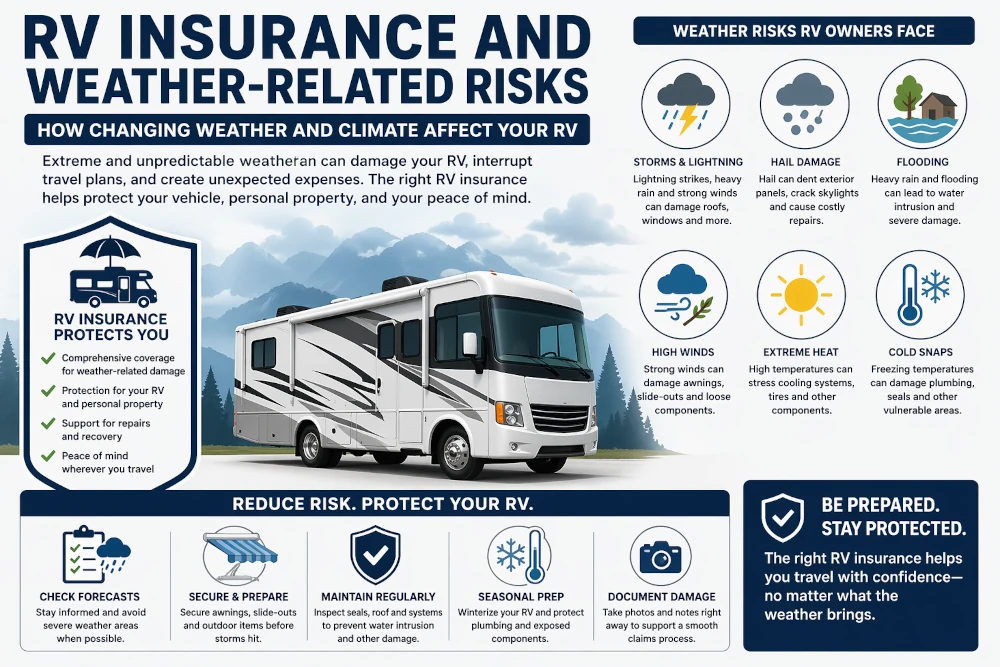
Weather has always played a role in RV travel, but shifting climate patterns and unpredictable seasonal changes have increased exposure for RV owners. From hailstorms and flooding to extreme heat and high winds, weather-related risks can damage recreational vehicles, interrupt travel plans, and create unexpected expenses.
RV insurance and weather-related risks are closely connected. A well-structured policy helps address damage caused by storms, protects personal property, and supports recovery after severe conditions. Understanding how coverage applies allows RV owners to prepare before weather events occur.
IIS Insurance Services helps RV owners evaluate coverage options that account for changing weather patterns and real-world travel conditions.
How Changing Weather Increases Risk for RV Owners
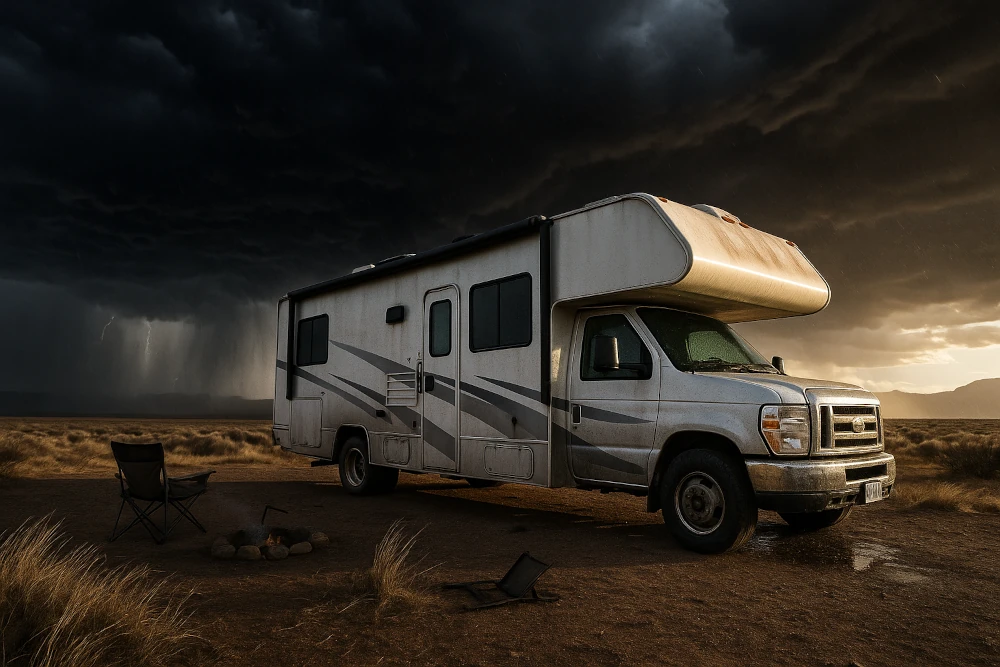
Changing weather has increased the frequency and intensity of storms across many regions. RVs face unique exposure because they are often parked outdoors, driven long distances, and stored in unfamiliar locations.
Strong winds can damage roofs, awnings, and slide-outs. Heavy rain can lead to water intrusion. Hail may dent exterior panels or crack windows. Heat waves stress cooling systems and tires, while cold snaps can damage plumbing and seals.
RV owners traveling through multiple regions may experience several weather zones in a single trip. This variability increases the likelihood of weather-related claims.
Understanding how these risks arise helps RV owners choose insurance coverage that responds to both sudden events and long-term climate shifts.
RV Insurance and Weather-Related Risks Explained
RV insurance is designed to address a range of non-collision-related risks, including weather damage. While liability coverage protects against injuries or property damage caused to others, physical damage coverage responds to losses involving the RV itself.
Weather-related risks usually fall under comprehensive insurance. This portion of an RV policy covers damage caused by events other than collisions, such as hail, wind, falling objects, fire, or flooding.
Not all policies provide identical protection. Coverage limits, exclusions, and deductibles vary. Reviewing how weather-related risks are handled is an important step when selecting or updating a policy.
IIS Insurance Services helps RV owners understand how insurance coverage applies when weather events disrupt travel or cause damage.
What Weather Events Are Typically Covered
Most RV insurance policies with comprehensive coverage address common weather-related risks. These often include hail damage, wind damage, lightning strikes, fallen trees, and certain flood-related losses. Hail can cause exterior damage that affects resale value and structural integrity. Wind can damage rooftop components and attached accessories. Heavy rain may lead to water damage if seals fail. RV insurance policies cover weather damage when comprehensive coverage is in place. This applies whether the RV is parked or in transit at the time of the storm.
Understanding which weather events are covered allows RV owners to anticipate how insurance responds after a loss.
Non-Collision-Related Risks and RV Coverage
Non-collision-related risks extend beyond storms. Weather contributes to secondary hazards such as falling debris, mudslides, and road washouts. These events can damage RVs without involving another vehicle. Comprehensive insurance is designed to address these scenarios. It helps pay for repairs or replacement when damage results from natural forces rather than collisions.
For RV owners who travel frequently or live on the road, non-collision risks may represent a larger exposure than traffic accidents. IIS Insurance Services reviews travel patterns and parking habits to ensure coverage reflects actual risk.
Climate Patterns and Long-Term RV Exposure
Climate trends have altered travel seasons and camping habits. Longer heat waves, heavier rainfall, and more intense storms affect where and when RV owners travel.
Extended heat can degrade roofing materials, tires, and electrical systems. Repeated exposure to moisture increases the risk of mold and corrosion. Cold weather events can damage plumbing systems if not properly winterized.
RV insurance policies may address sudden damage, but maintenance and preventive care remain important. Insurance supports recovery, not wear and tear.
Understanding how climate affects RV exposure helps owners plan travel routes and storage strategies more effectively.
Trailer Insurance and Towable RV Weather Risks
Travel trailers and other towable RVs face similar weather-related risks as motorhomes. Because trailers are often stored outdoors, they may be exposed to storms even when not in use. Trailer insurance helps cover damage caused by hail, wind, falling objects, and other non-collision events. Coverage typically applies whether the trailer is parked, stored, or being towed.
RV campers who leave trailers stationary for extended periods should review coverage carefully. Long-term parking may require adjustments to ensure protection remains in place.
IIS Insurance Services assists owners of towable RVs in selecting trailer insurance that reflects storage and travel habits.
Preventive Measures That Reduce Weather Damage
While insurance helps address losses, preventive measures reduce the likelihood and severity of damage. Simple steps can make a significant difference. Monitoring weather forecasts helps RV owners avoid high-risk areas. Securing awnings, leveling equipment, and exterior items reduces wind damage. Regular inspection of seals and roofing limits water intrusion.
Seasonal maintenance is especially important before fall and winter. Preparing plumbing systems, checking insulation, and protecting exposed components reduces cold-weather damage.
Preventive care supports insurance coverage by reducing claims frequency and repair costs.
How Claims Work After Weather-Related Damage
When weather damage occurs, timely reporting helps move the claims process forward. RV owners should document damage with photos and notes as soon as it is safe to do so.
Claims for weather-related losses typically fall under comprehensive coverage. The deductible applies before insurance payments are issued. Insurance companies may inspect the RV or request repair estimates. Clear documentation helps support the claim and reduce delays.
IIS Insurance Services supports RV owners during claims, helping them understand coverage and next steps.
Common Weather-Related Coverage Gaps
Some RV owners assume all weather damage is covered. In reality, exclusions and limitations may apply. Flood damage may require specific coverage depending on policy terms. Wear-related issues caused by long-term exposure are typically not covered. Damage resulting from a lack of maintenance may also be excluded. Business use, rentals, or extended stationary living can affect coverage if not disclosed.
Reviewing policy details helps identify potential gaps before a weather event occurs.
Fall Weather and Seasonal Risk Shifts
Fall brings unique challenges for RV owners. Rapid temperature changes, increased storms, and shorter daylight hours affect travel safety. Falling leaves and debris can clog drainage systems. Early freezes may damage plumbing. Wind events are common during seasonal transitions.
Adjusting coverage and preventive routines before fall helps manage these risks. IIS Insurance Services helps RV owners review coverage ahead of seasonal changes.
How RV Insurance Addresses Natural Disasters
Natural disasters such as hurricanes, wildfires, and severe storms pose serious risks to RVs. Insurance coverage depends on the type of event and policy structure. Comprehensive coverage often applies to disaster-related damage, but evacuation costs and temporary living expenses may vary by policy.
Understanding how RV insurance responds to disasters helps owners plan evacuation routes and storage options.
IIS Insurance Services guides disaster-related coverage and preparation.
Choosing RV Insurance With Weather Risks in Mind
Selecting RV insurance involves more than price comparison. Owners should consider travel regions, seasonal timing, and exposure to severe conditions. Coverage should align with how the RV is used and where it is stored. Full-time travelers, seasonal campers, and stationary owners may require different coverage structures. Policy reviews should occur regularly, especially after changes in travel habits or storage locations.
Working with an experienced agency simplifies this process.
Get Support for RV Insurance and Weather-Related Risks
RV insurance and weather-related risks are closely linked as climate patterns continue to change. Having coverage that responds to storms, floods, hail, and other severe conditions helps protect both the RV and the lifestyle built around it.
IIS Insurance Services helps RV owners understand weather-related risks, review coverage options, and select policies that support safe travel and long-term protection.
If you own an RV or are planning extended travel, contact IIS Insurance Services to review your insurance coverage and prepare for changing weather conditions with confidence.