

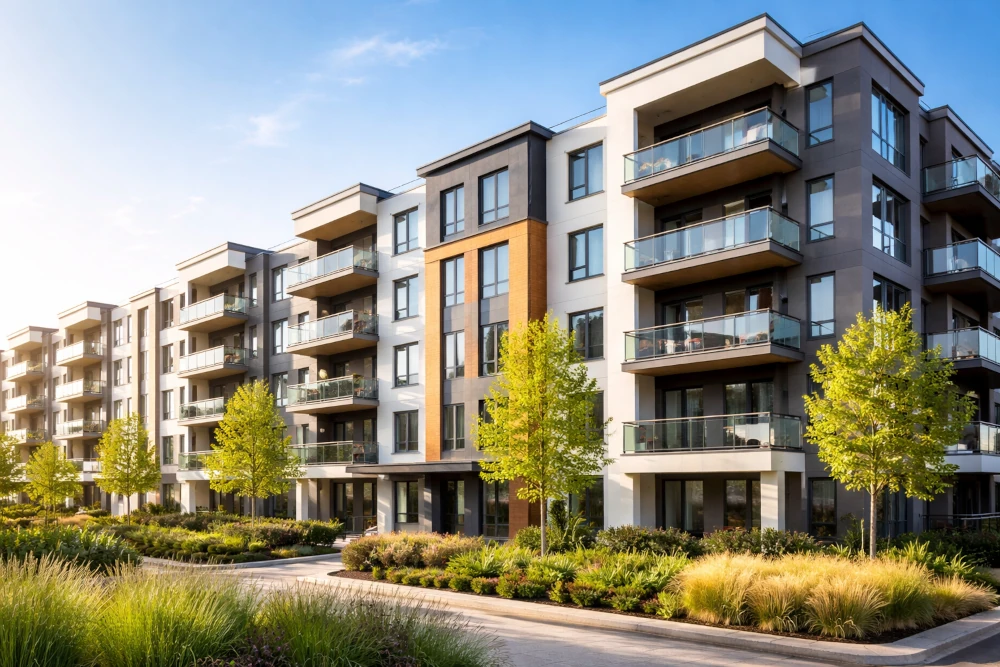
Owning or managing a multi-story apartment building involves layered risks that single-family properties do not face. More residents, shared systems, vertical construction, and frequent foot traffic all increase exposure. Insurance considerations for multi-story apartments play a direct role in protecting the building insurance on apartment complex, supporting residents, and limiting financial loss when something goes wrong across multiple units and shared spaces.
For landlords, property owners, and management teams, understanding how insurance applies to apartment complexes helps avoid coverage gaps and unexpected costs. The right policy structure supports day-to-day operations, long-term stability, and informed decision-making while meeting lender, regulatory, and tenant expectations throughout the life of the property.
How Apartment Insurance Differs for Multi-Story Properties

Multi-story apartment buildings fall under commercial property insurance rather than standard homeowner or small landlord coverage. These policies are designed to address the scale and complexity of multi-family dwellings, including shared walls, stacked units, elevators, and common areas.
Multifamily property owners typically will pay higher insurance rates due to increased exposure. A single fire, plumbing failure, or liability incident can impact multiple units at once. High-rise buildings and larger apartment complexes also rely on centralized systems that raise repair costs and extend downtime after a loss.
Apartment insurance for these properties often includes:
- Property coverage for the structure and built-in components
- Liability protection how liability works in apartment complexes related to common areas and shared amenities
- Loss of rental income coverage after covered damage
- Policy terms tailored to commercial use and management responsibilities
Unlike single-family rental property insurance, habitational insurance addresses the risks created by density, shared utilities, and ongoing resident activity. Working with an insurance provider that understands apartment buildings helps ensure coverage reflects how the property actually operates.
Core Coverage Types for Apartment Complexes
Strong insurance planning starts with understanding what coverage applies to multi-story apartments and where limits should be set. Most apartment complexes rely on a combination of property insurance and liability protection, supported by optional policies based on location and building design.
Property insurance typically covers damage to the apartment building caused by events such as fire, vandalism, or certain types of water damage. This coverage focuses on the structure itself, including roofs, walls, stairwells, and permanent fixtures. For commercial properties, policy limits should reflect full replacement costs, not just market value.
Liability coverage protects owners and management when injuries or property damage claims arise. Slip and fall accidents, injuries in shared spaces, or allegations related to maintenance issues are common sources of loss. Adequate liability limits help protect assets and prevent claims from disrupting operations.
Additional coverage options may include:
- Flood insurance for properties in designated flood zones
- Equipment coverage for boilers, elevators, and shared systems
- Ordinance or law coverage for rebuilding under updated codes
Apartment complexes in coastal or flood-prone areas often require separate flood insurance policies. Standard property insurance usually does not cover flood-related loss, even when water damage is involved. Reviewing these exposures early helps prevent costly surprises.
Managing Water Damage and Structural Risk
Water damage is one of the most frequent and expensive risks for multi-story apartments. A leak or pipe failure on an upper floor can affect multiple units below, leading to extensive repairs, tenant displacement, and income loss.
Property insurance may cover sudden and accidental water damage, but coverage depends on policy language and maintenance records. Gradual leaks or long-term moisture issues may be excluded. For apartment buildings, prevention and documentation matter as much as the policy itself.
Owners and management teams can reduce risk by:
- Scheduling regular plumbing inspections
- Maintaining shut-off valves and drainage systems
- Addressing minor leaks before they spread
- Documenting maintenance and repairs
Insurance carriers often consider maintenance practices when underwriting apartment insurance. Well-maintained properties may qualify for better rates and smoother claims handling. Water loss prevention also supports resident satisfaction and reduces turnover after incidents.
Why Renter’s Insurance Supports Property Owners
While building insurance protects the structure, renter’s insurance plays an important role in overall risk management. Tenant policies cover personal belongings and personal liability inside individual units. This separation helps clarify responsibility when losses occur.
When residents carry renters insurance, claims involving personal property are less likely to be borne by landlords or management. It also reduces disputes after fires, theft, or water damage events that affect multiple units.
Encouraging renter’s insurance benefits apartment complexes by:
- Reducing claims pressure on building insurance
- Limiting conflicts after losses
- Supporting faster claim resolution for tenants
- Demonstrating responsible management practices
Many landlords include renter’s insurance requirements in lease agreements. Clear communication about coverage expectations helps protect both parties and supports smoother operations across the property.
Getting the Right Insurance Support for Your Property
Insurance considerations for multi-story apartments are not one-size-fits-all. Building age, location, number of units, construction type, and management structure all influence coverage needs. Changes such as renovations, occupancy shifts, or system upgrades should trigger a policy review.
Working with experienced insurance professionals helps align coverage with real-world risk. A tailored policy structure supports compliance, protects income, and simplifies claims when loss occurs. It also helps property owners avoid paying for coverage that does not apply to their operations.
IIS Insurance Services works with apartment building owners, landlords, and property managers to evaluate coverage, identify gaps, and recommend practical solutions. Whether insuring a small multi-family dwelling or a large high-rise building, expert guidance helps protect properties and maintain long-term stability.
If you manage or own a multi-story apartment complex, reviewing your insurance approach now can prevent larger issues later. Speaking with an experienced insurance advisor is a smart step toward protecting your investment and supporting the people who live there.