

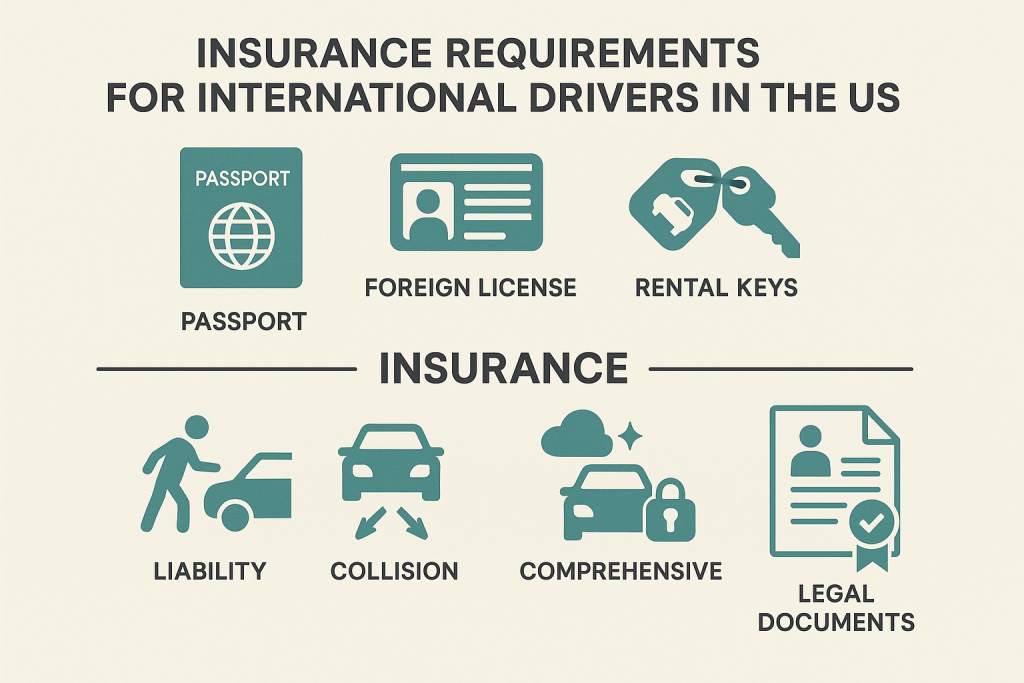
Buying car insurance in California can feel confusing when your driver’s license was issued in another country. Insurers may ask for unfamiliar documents, and a limited US driving history can affect your options and rates.
These tips for buying car insurance with a foreign license can help you prepare before requesting a quote. You’ll learn which documents insurers may accept, what coverage to consider, and how to compare policies without focusing only on price.
Foreign drivers can often qualify for auto insurance in California without first obtaining a California driver’s license. Your options may depend on whether your license is valid, your driving experience, the vehicle, and carrier requirements. IIS Insurance Services helps international students, visitors, workers, and new California residents compare personalized, budget-conscious coverage for drivers using overseas credentials with clear guidance.
Confirm That Your Foreign License Allows You to Drive
Before shopping for car insurance, make sure your license allows you to drive in California. Checking early can help you avoid delays.
Visitors may be allowed to drive with a valid license from another country for a limited period. Once you become a California resident, you may need to apply for a state-issued driver license within the required timeframe. Check current California DMV rules so you know when to begin.
Your foreign license should be current, readable, and issued by the proper authority in your home country. Providing the original valid credential, rather than an expired license, photocopy, learner’s permit, or unofficial document, can prevent delays.
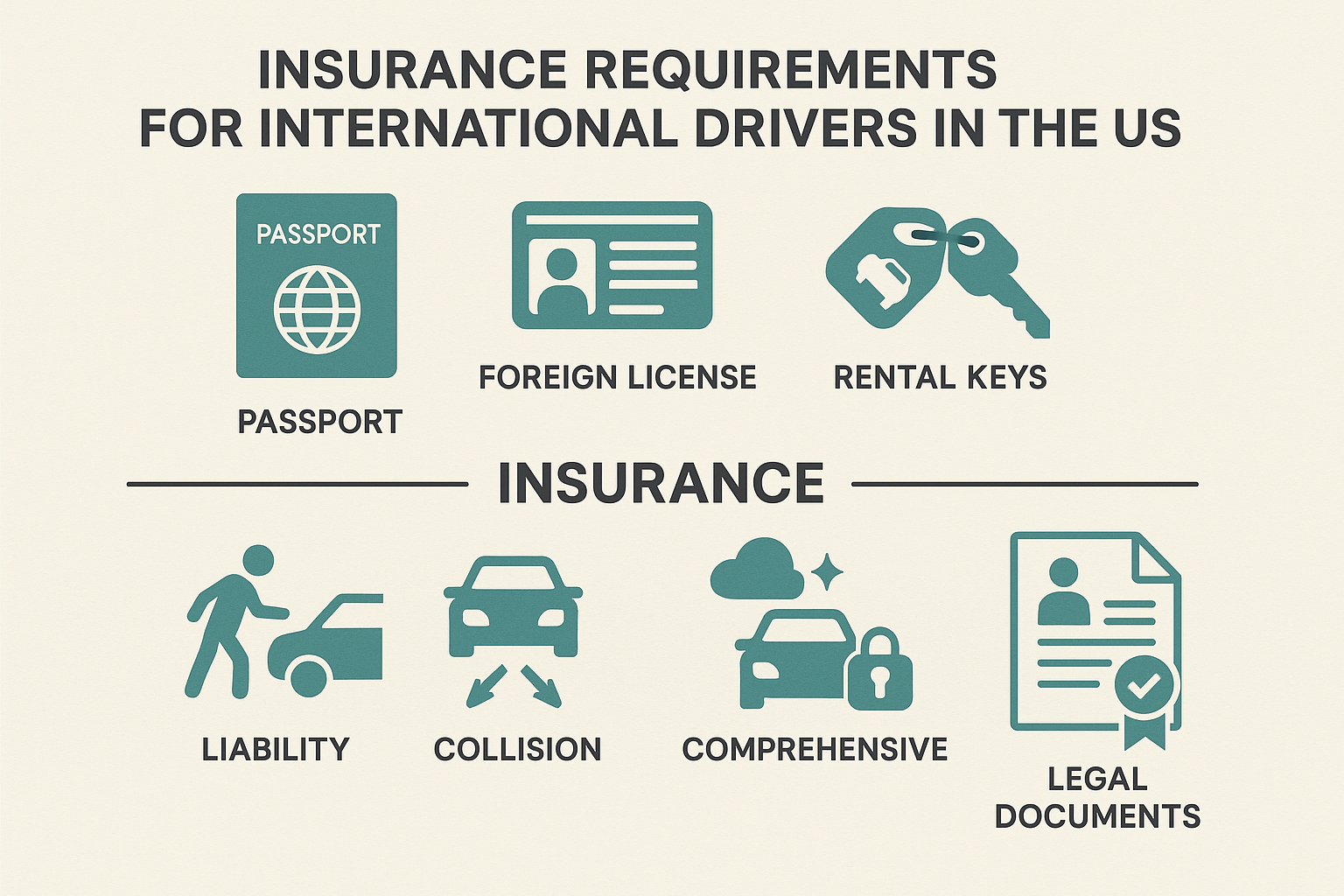
Aninternational driving permit, often called an IDP, can help when your original license isn’t written in English. It translates information from your home-country license but doesn’t replace it.
If you use an IDP, carry it with your valid home-country license because the permit only works as a translation:
-
Your original, valid driver license
-
Your valid international driving permit
Be cautious of websites selling an international driver’s license as a stand-alone credential. A legitimate IDP must be used with the valid license issued by your home country.
Being allowed to drive in California doesn’t mean every insurance company will accept the same documents. Some carriers work with international drivers, while others may require a US driving record or California-issued license.
If you plan to remain in California, starting the licensing process early can help you avoid a gap in valid credentials. An IIS Insurance Services agent can explain what participating carriers may accept.
Gather the Documents Needed for a Quote
Preparing your paperwork before contacting an agent can reduce delays. IIS Insurance Services can help identify what a carrier may need before your application is submitted.
Requirements vary, but most companies need enough information to verify your identity, license, California address, vehicle, and driving background.
The following table shows documents commonly requested when foreign drivers apply for car insurance.
| Document or Information | Why It May Be Requested | Helpful Preparation |
|---|---|---|
| Valid foreign driver license | Confirms that you’re licensed to drive | Provide clear images of the front and back |
| International driving permit | Translates a license not written in English | Include it with the original license |
| Passport or government-issued identification | Helps verify your identity | Make sure the name matches your license and application |
| US residential address | Helps determine eligibility and pricing | Use the address where the vehicle is kept |
| Vehicle identification number | Identifies the exact vehicle being insured | Find it on the registration, title, or dashboard |
| Vehicle registration or purchase details | Shows ownership and registration status | Include lender or leasing information |
| Foreign driving record | May show your experience and claims history | Request an official or translated copy |
| Prior insurance records | Can document continuous coverage | Bring policy declarations or claim-free letters |
Ask your home-country licensing agency for a certified driving record. A translated record showing your years of experience, accidents, or violations may help an insurer review your application.
Not every carrier uses foreign driving records when calculating rates. IIS Insurance Services can compare companies that handle these records differently and explain how each option may affect your price.
A letter from a previous insurer may also document how long you maintained coverage and whether you filed claims. Ask for it in English or have it translated.
Make sure your name appears consistently across your passport, driver license, vehicle title, and application. Tell your agent about spelling differences, surname order, or middle names so the information can be submitted correctly.
You don’t need a Social Security number to buy auto insurance in California. Some carriers may use an ITIN for billing or identification, while others accept different documents.
Provide accurate details about your address, driving history, vehicle use, and regular drivers. This reduces the risk of delays, price changes, cancellation, or claim problems.
Choose Insurance Coverage That Fits Your Situation
State-required liability insurance pays for covered injuries or property damage you cause to others, subject to your policy limits.
Minimum liability limits may meet legal requirements but provide less protection after a costly accident. A licensed agent can help you balance suitable limits with your budget.
Your policy may also include or offer:
Bodily injury liability: Pays covered medical expenses, lost income, and related damages when you injure someone in an at-fault accident.
Property damage liability: Pays for covered damage you cause to another person’s vehicle or property.
Collision coverage: Helps pay to repair or replace your vehicle after a collision, subject to your deductible.
Comprehensive coverage: Covers certain non-collision losses, such as theft, vandalism, fire, or weather damage.
Uninsured and underinsured motorist coverage: Helps protect you when the responsible driver has no insurance or insufficient limits.
Medical payments coverage: May help pay medical bills for you and your passengers after a covered accident.
Rental reimbursement: Helps pay for temporary transportation while your insured vehicle is repaired after a covered loss.
Roadside assistance: May cover towing, battery assistance, fuel delivery, or lockout help.
Collision and comprehensive coverage may be required when the vehicle is financed or leased. If you own it outright, compare its value with the cost of physical damage coverage.
Tell your agent how the vehicle will be used. Commuting, business travel, delivery work, rideshare activity, and occasional driving can create different coverage needs.
Drivers renting or borrowing vehicles should ask whether their policy extends to cars they don’t own. Coverage can depend on the vehicle, rental agreement, driver, location, and purpose of the trip.
Compare Insurance Company Quotes Carefully
Not every car insurance company accepts foreign licenses and driving records in the same way. One carrier may accept a valid foreign license and translated history, while another may require a California license sooner.
IIS Insurance Services works with multiple carriers, making it easier to compare options without contacting several companies. You can explain your circumstances once and work with an agent who can review the available policies.
When comparing quotes, use the same coverage limits, deductibles, drivers, and vehicle information. A lower premium may reflect reduced protection, a higher deductible, or different terms.
Review these parts of each quote:
-
License acceptance: Confirm that the carrier accepts your current license and whether you’ll need a California license before renewal.
-
Coverage limits: Compare liability and optional coverage using equal limits.
-
Deductibles: Find out how much you’d pay before collision or comprehensive coverage responds.
-
Driver listings: Make sure every household member or regular driver is handled correctly.
-
Vehicle use: Confirm that commuting, school travel, or business use is classified accurately.
-
Payment terms: Compare the down payment, installments, fees, automatic payment options, and cancellation rules.
-
Policy length: Check whether the quote is for six months, twelve months, or another term.
-
Available support: Find out how policy changes, documents, billing questions, and claims are handled.
Look beyond the initial payment. Review the total premium, installments, fees, deductibles, and coverage limits.
Ask whether the rate depends on receiving specific documents. Your agent should explain which details could affect the price, including verification of your license, address, driving history, prior insurance, or vehicle information.
If you need coverage for a short stay , ask about the policy term, cancellation rules, and available options. Short-term coverage isn’t offered by every carrier.
You should also ask what happens after you receive a California-issued license. The insurer may update the policy, recalculate the rate, or require a new application.
Build a Stronger US Insurance and Driving Record
Drivers without an established US record may receive different rates because insurers have less domestic information to review. Carrier requirements vary, and IIS Insurance Services can compare options to help you avoid overpaying.
Maintaining continuous auto insurance can help build a stronger history. Avoiding gaps between vehicles, moves, or license changes may preserve more carrier options.
Safe driving also matters. Accidents, tickets, reckless driving, and driving under the influence can affect premiums or policy choices.
Keep copies of your policy documents, identification cards, payment confirmations, and correspondence. Update the insurer when you:
-
Receive a California or other state-issued license
-
Move to a new address
-
Replace, sell, or add a vehicle
-
Add a household member or regular driver
-
Change how the vehicle is used
-
Start delivery, rideshare, or business driving
-
Pay off a loan or end a lease
Ask your agent to review the policy after you’ve built a US driving history. A new California license, continuous coverage, a clean record, or changes in vehicle use may create additional options or savings.
You can also ask about discounts. Eligibility varies, but savings may apply to automatic payments, policy bundling, vehicle safety equipment, low mileage, driver training, or a clean record.
Budget matters, but lowering limits or removing coverage can create gaps. IIS Insurance Services can help you review deductibles, limits, and optional protection so you can manage costs while keeping suitable coverage.
A licensed agent can compare these choices based on your budget, vehicle, and driving plans.
Get Personalized Support from IIS Insurance Services
Buying car insurance with a foreign license is often easier when you work with someone familiar with international driver applications. The right support can help you identify acceptable documents, compare carrier requirements, and choose coverage that matches your vehicle, budget, and time in California.
IIS Insurance Services helps California drivers find auto insurance for valid foreign and international licenses. The agency works with multiple carriers and focuses on transparent pricing, clear explanations, budget-conscious options, and personal assistance.
Have your license, identification, address, vehicle information, and available driving records ready when requesting a quote. If you’re unsure which documents you need, an agent can review what you have and explain the next steps.
Contact IIS Insurance Services today to request a personalized car insurance quote. A licensed agent can help you compare affordable options and find a policy suited to your driving needs in California.