

Driving in the United States as an international visitor, student, or temporary resident involves more than learning local traffic laws. Auto insurance requirements differ by state, insurers apply varying eligibility standards, and documentation expectations can change based on license type and length of stay. Understanding auto insurance rules for international drivers early helps reduce confusion, avoid penalties, and prevent coverage gaps before getting behind the wheel. Requirements may also depend on visa status, vehicle ownership, and how long you plan to drive in the U.S., which makes early preparation especially helpful.
IIS Insurance Services works with international drivers, expatriates, students, and short-term residents who need clear, practical guidance on U.S. auto insurance rules. This supporting article explains when insurance is required, how foreign licenses affect eligibility, what coverage types apply, and how to secure compliant insurance while driving legally and with confidence across different states.
When Car Insurance Is Required for International Drivers
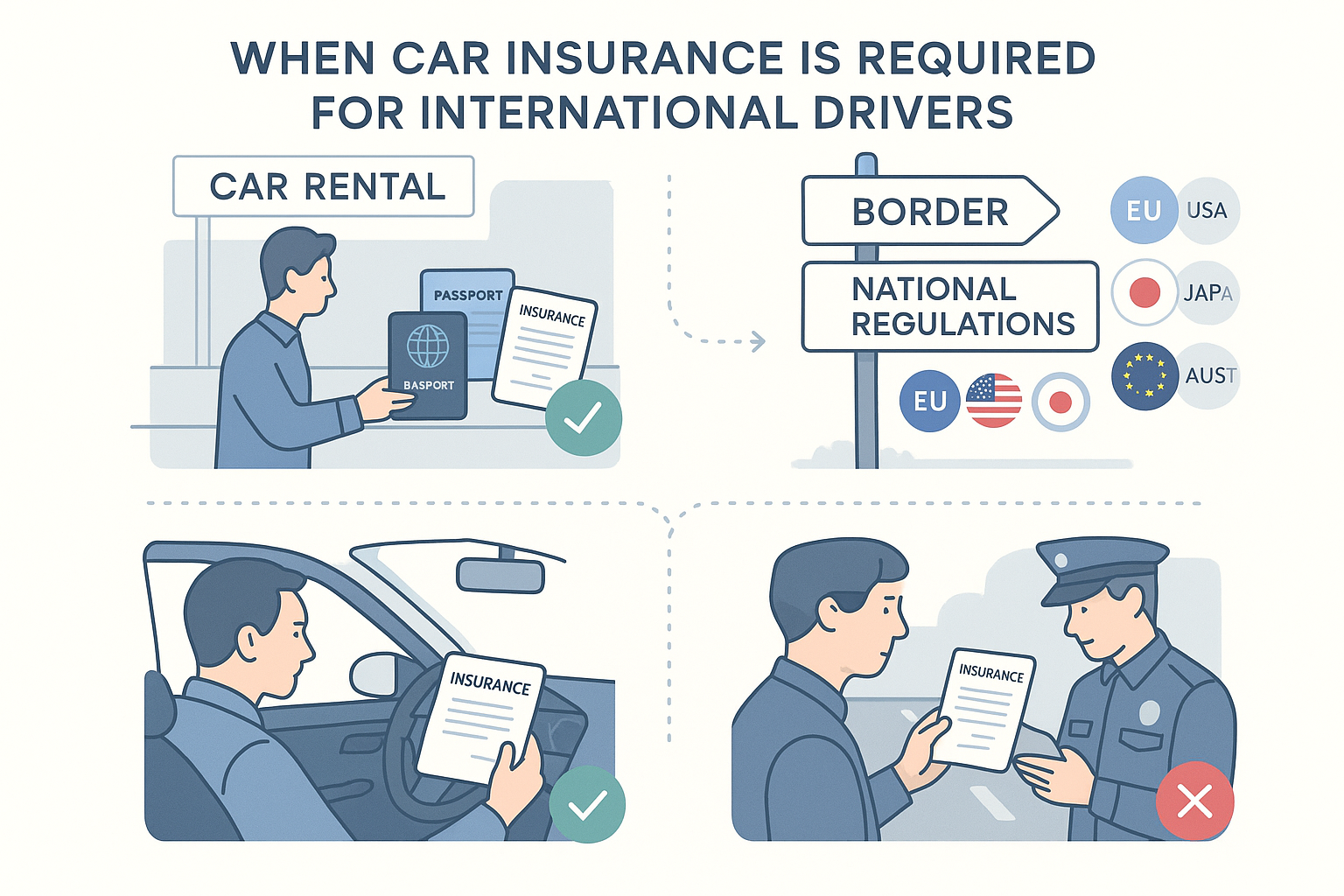
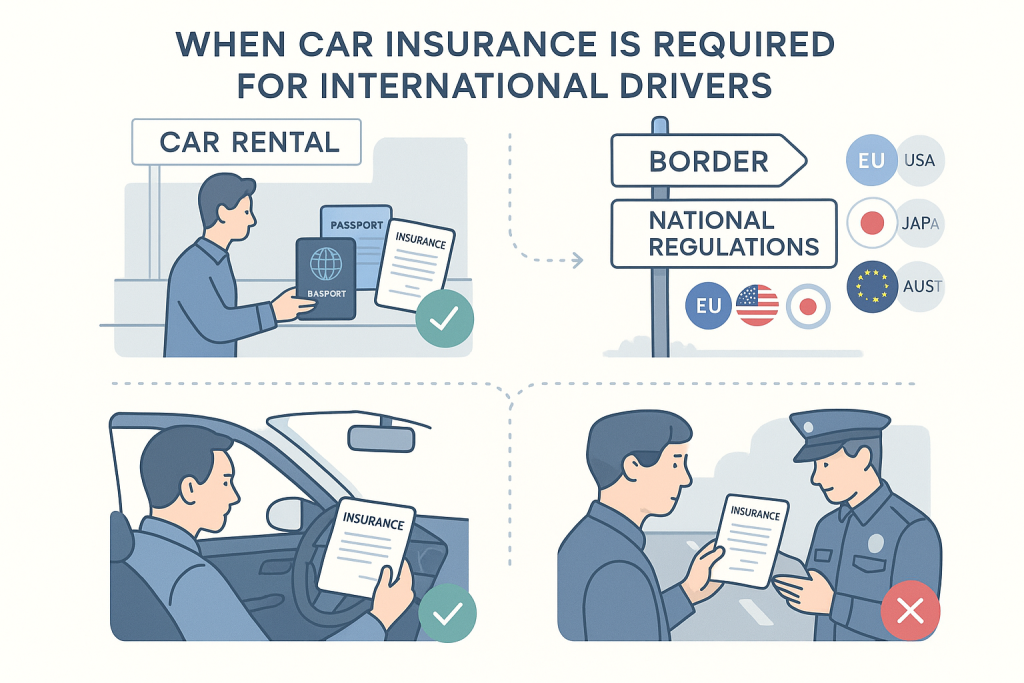
Car insurance is required in nearly every U.S. state, regardless of citizenship or residency status. If you operate a motor vehicle on public roads, you must meet the minimum insurance standards set by the state where the vehicle is registered or driven.
Many international drivers assume that a valid foreign license alone allows them to drive without insurance. This is not the case. Even when a state accepts a foreign driver’s license or international driving permit, insurance is still mandatory. Driving without coverage can result in fines, license suspension, vehicle impoundment, or denied claims after an accident.
Requirements typically begin as soon as:
You drive a personal or borrowed vehicle
You register a vehicle in a U.S. state
You operate a vehicle outside of the limited rental exemptions
Some states allow short-term driving with a foreign license, while others expect drivers to obtain a U.S. license after a defined period. Insurance rules usually follow the state’s licensing policy, but insurers may impose additional conditions.
IIS Insurance Services helps international drivers understand when insurance is required and how state-specific rules apply before they drive.
How Foreign and International Licenses Affect Insurance Eligibility
Insurance eligibility depends heavily on the type of driver's license you hold and how it is recognized by insurers and state authorities. Many companies accept a valid foreign driver’s license, especially when paired with an international driving permit. Others apply time limits or request additional documentation based on state-specific requirements.
Foreign licenses are more likely to be accepted when:
The license is current and valid
The issuing country is recognized by U.S. insurers
The license is readable or includes an official translation
An international driving permit functions as a standardized translation rather than a standalone license. While it does not replace a foreign license, it often improves acceptance for car insurance applications and during traffic stops.
Learner permits are generally not accepted for insurance coverage. Only a fully licensed driver qualifies for most policies. Some insurers may also ask for proof of driving history from your home country to assess eligibility and risk before issuing an insurance policy.
Insurance companies may also evaluate factors such as:
Length of stay in the United States
Whether the driver plans to purchase or register a vehicle
Whether a stable mailing address is available
IIS Insurance Services assists international drivers by reviewing license status, explaining state-specific requirements, and identifying what steps may be needed to qualify for coverage.
Minimum Coverage and Required Insurance Types
Every U.S. state requires minimum liability coverage for any driver operating a vehicle on public roads. Liability car insurance pays for injuries or property damage caused to others in an accident. It does not cover damage to your own vehicle unless optional coverage is added to the policy.
Minimum coverage typically includes:
Bodily injury liability
Property damage liability
Some states also require uninsured or underinsured motorist coverage. Coverage limits vary, and drivers must meet the state-specific requirements where the vehicle is registered or primarily used.
Rental vehicles often include basic liability coverage, but limits may be low. Drivers should review rental agreements carefully to confirm whether the insurance policy provides adequate protection. Borrowed vehicles require confirmation that the existing policy allows international or foreign drivers.
Optional coverage types may include:
Collision coverage
Comprehensive coverage
Medical payments coverage
IIS Insurance Services helps drivers select coverage that meets legal requirements while providing appropriate protection based on driving habits, vehicle use, and budget.
Driving History and Its Role in Insurance Pricing
Driving history is a major factor in determining insurance rates. International drivers often lack U.S. driving records, which can lead insurers to price policies conservatively.
Some insurers accept foreign driving records, while others rely on limited data. Providing documentation from prior insurers or licensing authorities may help improve pricing accuracy.
Factors that influence rates include:
Accident history
Traffic violations
Gaps in prior coverage
Accurate disclosure is important. Failing to list all drivers or misrepresenting history can lead to denied claims or canceled policies.
IIS Insurance Services helps international drivers present their driving history clearly and identify insurers that offer fair pricing based on available information.
Steps to Secure Compliant Auto Insurance Before Driving
Preparation helps prevent delays and compliance issues. International drivers should gather documentation and confirm eligibility before applying for insurance.
Helpful steps include:
Confirm license acceptance in your state
Gather identification and license documents
Review rental or vehicle ownership details
Compare coverage options
Understanding insurance rules before driving reduces stress and supports legal compliance.
IIS Insurance Services guides international drivers through these steps, answering questions and helping secure coverage that meets state rules.
Get Support With Auto Insurance as an International Driver
Auto insurance rules can feel complex when you are new to the U.S. road system. With the right guidance, the process becomes manageable and predictable.
IIS Insurance Services supports international drivers by explaining insurance rules clearly, helping review documentation, and connecting drivers with compliant coverage options. Whether driving short-term or planning a longer stay, having the right insurance in place supports safe, legal travel.
Drivers preparing to operate a vehicle in the United States with a foreign license can contact IIS Insurance Services for help reviewing eligibility, coverage options, and state requirements before getting on the road.