

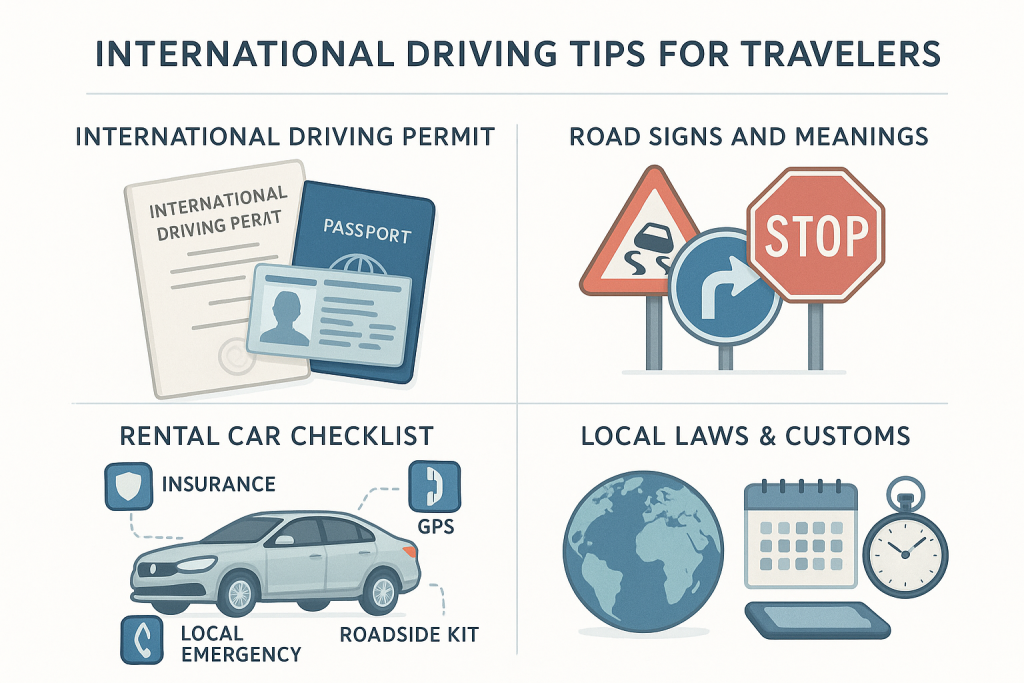
When your trip includes driving abroad, it helps to understand what each document does before you reach the rental counter. Rental car insurance with an international driving permit involves your home-country driver’s license, the permit that translates it, the vehicle agreement, and the coverage you accept for damage, theft, injuries, or claims against you.
An International Driving Permit, often shortened to IDP, does not replace a valid license or provide insurance on its own. Requirements vary by destination, state, and pickup location, so confirm local rules and the rental company’s policies before reserving a car. U.S. travelers may need an IDP in many countries, while foreign visitors may need one alongside their home-country license in certain U.S. states.
For California residents traveling overseas, or visitors planning to drive in California, IIS Insurance Services can help explain how a personal California auto policy may apply to their situation. The rental provider must confirm the insurance protection attached to the rental car. Preparing early can help you avoid a refused pickup, overlapping rental coverage, or an expensive gap after an accident.
How an International Driver's License and IDP Affect Rental Coverage
Many people use the phrase “international driver’s license,” but the official document is an International Driving Permit. It translates details from a valid domestic license so authorities and rental desk agents can read the credential. You must carry the original license with it. If your domestic license is expired, suspended, or invalid, the permit does not restore your driving privilege.
An IDP does not override a rental agency’s age limits, payment rules, deposit requirements, or vehicle restrictions. A car rental company may ask for your passport, a credit card in the lead driver’s name, proof of onward travel, or evidence that you have held your license for a minimum period.
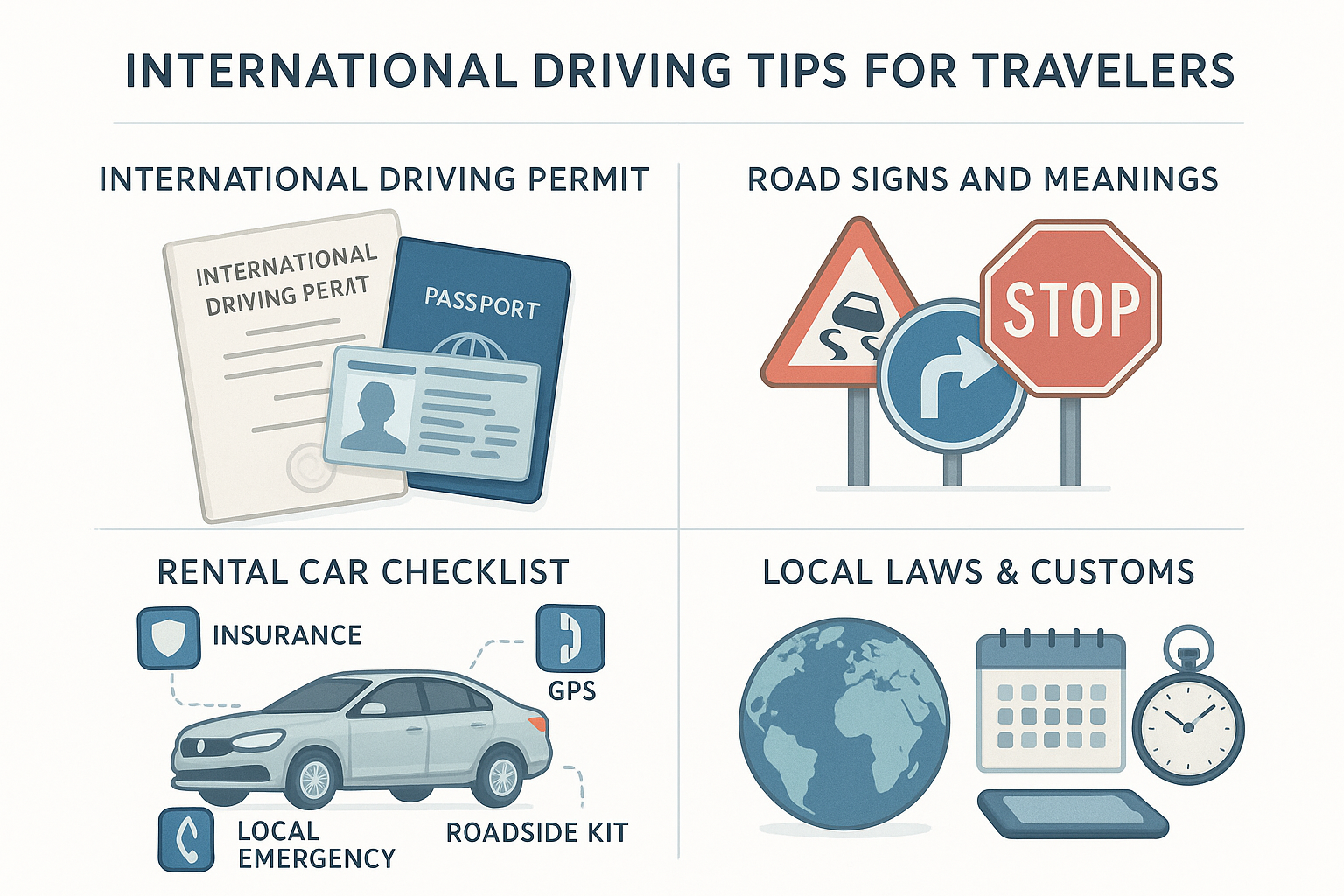
Visitors entering the United States should obtain the permit before leaving their home country when required. The United States does not issue IDPs to foreign visitors. U.S. travelers should obtain one through an authorized organization, such as AAA or AATA, and check processing times before departure.
Licensing and coverage are separate. Meeting the document requirements shows the rental agency that you are eligible to drive, but it does not determine which losses the contract pays for. Purchasing a waiver also cannot make an unlicensed driver legally eligible to operate the vehicle. Review both the driving requirements and the agreement before pickup.
What a Rental Company May Offer for Car Insurance Abroad
Rental counter products use different names across countries. Some are insurance products, while others are waivers that reduce the amount the agency may charge after damage or theft. Limits, deductibles, exclusions, and legal definitions vary by provider and destination.
| Coverage or Waiver | What It May Address | What to Confirm Before Accepting |
|---|---|---|
| Third-party liability insurance | Injury or property damage you cause to other people | Included limit, local minimum, optional higher limits, exclusions, and any deductible |
| Collision or loss damage waiver | Your financial responsibility for damage to the rented vehicle | Deductible, excluded vehicle parts, loss-of-use charges, and conduct that may void the waiver |
| Theft coverage | Theft of the vehicle or damage caused by an attempted theft | Required security steps, excluded belongings, deductible, and police-report requirements |
| Personal accident coverage | Certain medical or accidental-death benefits for occupants | Benefit limits, covered occupants, and possible overlap with health or travel benefits |
| Personal effects or roadside options | Stolen belongings or help with breakdowns, lockouts, and towing | Per-item limits, unattended-property exclusions, service area, and call-out charges |
Product names and the legal effect of each option depend on the rental contract and destination.
Read the full agreement instead of relying only on a counter explanation. Common exclusions may involve tires, glass, roof damage, the undercarriage, off-road use, unauthorized drivers, impaired driving, lost keys, or late accident reports. Crossing a border, taking the vehicle on a ferry, or entering a restricted region can also affect the agreement. Ask for written approval when your route leaves the pickup country.
A low daily charge may come with a high deductible or limited liability benefits. Compare the total trip cost, the maximum amount you could owe, and the claims process. The Federal Trade Commission advises renters to check their personal car insurance before buying a counter waiver and notes that a waiver may not pay for every loss.
Keep your reservation confirmation and a copy of the terms that applied when you booked. If the rental desk offers a different package at pickup, ask for an itemized explanation before signing. Confirm the limits, required documents, eligible drivers, and geographical restrictions.
How Existing Car Insurance and Credit Card Benefits Apply
Your existing car insurance may help with a rental vehicle, but location and policy terms matter. A California policy that covers driving a domestic rental may not provide the same protection outside the United States. Liability, roadside assistance, administrative fees, and loss-of-use charges may also be handled differently.
Do not rely on a statement such as “rental cars are covered.” Ask your insurer to review the country, travel dates, vehicle type, rental period, and driver information. IIS Insurance Services can help California policyholders understand their personal auto coverage, but the rental company must explain the products and waivers in its agreement.
Before declining protection at the rental counter, request clear answers to these questions:
-
Which policy applies in the destination and every country on the planned route?
-
Does it include liability for injuries or property damage caused to other people?
-
What protection applies to collision damage, theft, vandalism, glass, tires, and the undercarriage?
-
What deductible applies, and would you need to pay the rental agency before seeking reimbursement?
-
Are towing, loss of use, diminished value, or administrative charges included?
-
Are there restrictions on the vehicle type, rental length, business use, or additional drivers?
Credit card benefits may fill part of a gap, but you must follow the issuer’s terms closely. The cardholder may need to reserve and pay for the entire rental with an eligible card. Some programs also require the renter to decline the agency’s collision or loss damage waiver.
Credit card protection may be primary or secondary and often focuses on physical damage or theft rather than liability. Expensive vehicles, motorcycles, long-term rentals, commercial use, and certain destinations may be excluded.
Travel insurance may provide another layer of protection, but it can be limited to damage involving the rented vehicle. Compare each source of coverage. Find out which provider handles a claim first, which documents are required, and how quickly the incident must be reported. The FTC recommends contacting your insurer when coverage is unclear and confirms that card benefits may depend on paying with the card and declining the rental agency’s waiver.
What International Drivers Renting a Car in California Should Know
A visitor may be able to rent a car in the United States with a valid home-country license, but state rules and rental company requirements differ. Check the requirements for every state on your itinerary. A rental agency may apply standards beyond the legal minimum, so written confirmation is safer than assuming a reservation email proves eligibility.
California requires drivers and vehicle owners to maintain evidence of financial responsibility. The minimum liability limits for private passenger vehicles are $30,000 for injury or death to one person, $60,000 for injury or death to multiple people in one accident, and $15,000 for property damage.
These figures describe the legal minimum. They do not confirm what a rental agreement includes or guarantee that the amount would cover a serious accident. Ask the rental provider what liability protection is included, whether higher limits are available, and which policy responds first.
A rental agreement and a personal California auto policy serve different purposes. Visitors who are only renting a vehicle should review the protection offered with that reservation. Someone who buys, finances, leases, or regularly drives a personal vehicle in California may need a standard auto policy.
Holding a foreign license does not automatically prevent someone from qualifying for California auto insurance. Many insurance companies accept valid foreign licenses or international credentials, although carrier rules, documentation standards, rates, and underwriting decisions vary.
IIS Insurance Services helps California drivers with foreign or international licenses compare personal auto insurance options from multiple carriers. Drivers planning a temporary stay may also benefit from reviewing coverage options for short-term residents before choosing a policy. Applicants may need a valid license, identification, a California address, vehicle details, and driving history. Eligibility and premiums depend on the carrier, applicant, vehicle, requested coverage, and other underwriting factors.
The agency has served Californians since 2009 and focuses on making insurance easier to understand. Its licensed team works with international students, temporary visa holders, new residents, tourists purchasing or insuring vehicles, and drivers who may not yet have a California license. Same-day coverage may be available when the required information is ready, but approval depends on the insurer.
A Pre-Rental Checklist for Driving Overseas
Review your documents and coverage before payment is due. Early preparation gives you time to compare options, request written answers, and replace missing documents. It can also prevent a rushed decision after a long flight or a problem at the rental counter.
Use this checklist before renting a vehicle outside your home country or arranging a rental in the United States:
-
Verify that your domestic license will remain valid for the entire rental period and obtain an IDP before departure when required.
-
Confirm the pickup location’s rules for identification, license language, minimum age, payment card, deposit, and additional drivers.
-
Review the destination’s traffic laws, required safety equipment, road signs, toll system, and driving side.
-
Identify the liability limits, vehicle-damage terms, theft protection, deductible, and exclusions included in the quoted rental price.
-
Ask your personal insurer and credit card issuer for written benefit details that match the destination, dates, and vehicle class.
-
Confirm whether border crossings, ferries, unpaved roads, islands, or one-way returns require advance permission.
-
Save the rental agreement, policy numbers, emergency contacts, and claim instructions on your phone and in an offline copy.
-
Photograph every side of the vehicle, including the interior, fuel level, mileage, wheels, glass, and existing damage before leaving the lot.
-
Learn the accident-reporting process and the deadlines for contacting the rental agency, local authorities, insurer, and card benefit administrator.
The U.S. Department of State advises travelers to research licensing rules, local traffic laws, road conditions, and insurance requirements before driving internationally. Road signs, emergency procedures, customs, and enforcement practices may differ from those at home.
If an accident occurs, focus on immediate safety. Contact local emergency services when needed and follow the rental agreement’s reporting requirements. Notify each insurer or benefit provider involved. Take photos, collect contact information, save receipts, and do not authorize repairs or abandon the vehicle without the rental company’s approval.
For drivers who plan to own, lease, or regularly use a vehicle in California, reviewing coverage for drivers with foreign licenses can help clarify carrier requirements before an application is submitted.
Find California Auto Insurance Support with IIS Insurance Services
IIS Insurance Services helps California residents and new arrivals review auto insurance options in clear, practical language. The agency works with multiple carriers, including companies that may accept valid foreign or international driving credentials. This can help drivers with limited U.S. insurance history, recent arrivals, or those who have not yet received a California license.
The team can help you compare car insurance options, understand documentation requirements, and look for coverage that fits your vehicle, driving needs, and budget. Approval, availability, and pricing still depend on underwriting requirements and the information provided.