

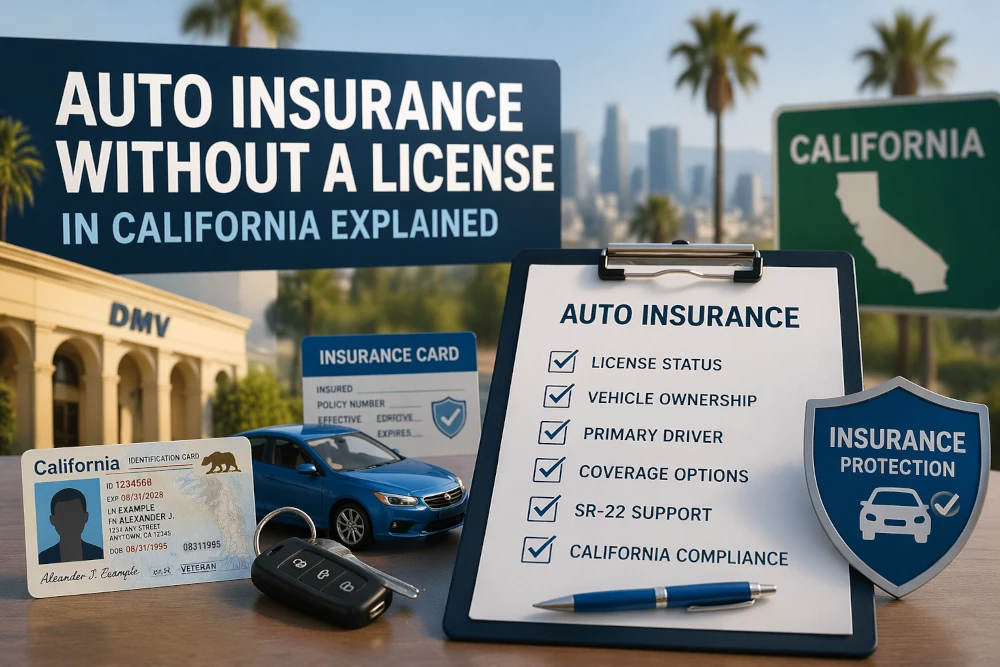
Navigating auto insurance can feel confusing when you do not hold a valid driver’s license. Insurance rules for non licensed drivers in California still require insured vehicles, even when the owner cannot legally drive. This applies to people with suspended or revoked licenses, expired licenses, undocumented residents, business owners, and individuals who rely on others to operate their vehicles.
Insurance requirements focus on financial responsibility tied directly to your car rather than only the person behind the wheel. Registration status, ownership, and potential liability all play a role. When your car is uninsured, the owner may face registration suspension, fines, or long-term increases in car insurance costs. These risks apply even if the vehicle is rarely used or driven only by someone else.
IIS Insurance Services works with California drivers and vehicle owners facing these situations every day. With the right policy structure and accurate information, car insurance is often available. Understanding how insurers evaluate risk, how drivers are listed on a policy, and which options meet state requirements helps prevent denied claims and registration issues while protecting your financial interests.
How Insurance Rules Apply When You Do Not Have a Valid Driver’s License
California requires every registered vehicle to carry active car insurance. The law focuses on the vehicle itself, not only the person driving it. This means insurance may still be required even if the owner does not have a valid driver’s license or cannot legally operate the car.
Insurance companies assess risk differently when a policyholder is unlicensed. Some carriers decline these applications, while others allow coverage with specific conditions. These conditions often include naming a licensed primary driver and clearly defining how your car is used. Insurers rely on this information to determine eligibility, pricing, and how claims are handled.
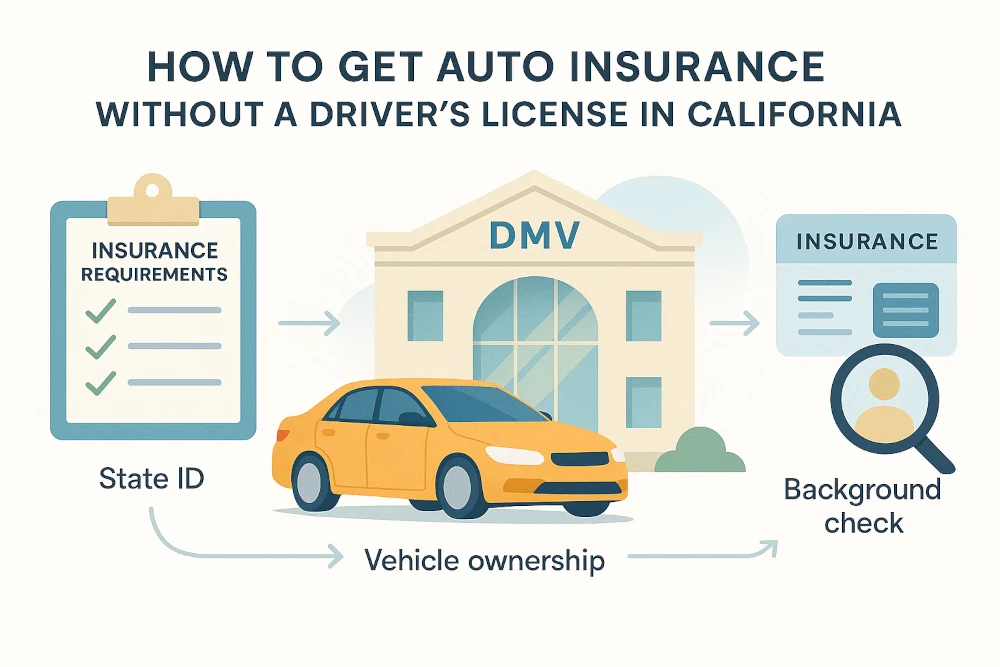
Common situations include suspended or revoked licenses, expired licenses awaiting renewal, undocumented residents who own vehicles, and business owners who assign driving duties to others. In each case, full disclosure is required. Inaccurate or incomplete details may result in claim denial or policy cancellation, often after an accident involving injury or property damage.
IIS Insurance Services helps connect clients with carriers that understand insurance rules for non licensed drivers and structures policies that meet California requirements.
Car Insurance Options Available When You Need to Get Auto Insurance Without a License
Car insurance without a driver’s license is not one-size-fits-all. The right policy depends on who owns the vehicle, how often it is used, and who operates it most frequently. Choosing the proper structure helps avoid unnecessary costs and coverage gaps.
Named driver policies allow an unlicensed owner to insure a vehicle by listing a licensed family member or trusted individual as the primary driver. The owner remains listed for ownership and registration purposes, while the licensed driver assumes responsibility when operating your car. This option is common in shared households.
Non-owner insurance applies to individuals who do not own a vehicle but still need liability protection. This is often required when an SR-22 filing is needed or when someone drives borrowed or rented vehicles. It does not insure a specific car.
SR-22 supported policies help drivers meet state filing requirements tied to a prior violation, even when a valid driver’s license is not currently held.
Commercial car insurance applies to business-owned vehicles driven by employees or partners. These policies focus on vehicle use, driver qualifications, and business risk rather than the owner’s licensing status.
IIS Insurance Services reviews each situation carefully to recommend coverage that aligns with California law and real-world use.
Listing the Primary Driver on Your Car Insurance Policy
Choosing the correct primary driver is one of the most important steps when the policyholder does not have a valid driver’s license. The primary driver is the person who uses the vehicle most often, not necessarily the owner of your car.
If your license is suspended or revoked, listing yourself as the driver may put your car insurance at risk. Insurance companies may deny claims if an unlicensed driver is operating the vehicle illegally. Naming a licensed driver who regularly uses your car helps keep coverage active and reduces problems during claims review.
For family vehicles, insurers expect all regular drivers to be disclosed. This may include spouses, adult children, or caregivers. Failing to list regular drivers can lead to disputes after an accident involving injury or property damage.
Business-owned vehicles require even closer attention. Commercial insurers review driver records, vehicle usage, and operational exposure. Listing employee drivers accurately helps protect the business from liability issues and coverage disputes.
IIS Insurance Services helps clients understand how driver listings affect policy validity, pricing, and claims outcomes.
Situations Where Your Car Must Be Insured Without a License
There are many reasons your car may still need insurance even when the owner cannot legally drive. Vehicle ownership alone creates responsibility under California law, especially when registration remains active.
Common situations include family members using the car regularly, employees driving company vehicles, or owners keeping insurance in place to avoid registration suspension. Parents may insure vehicles driven by younger family members, while business owners may insure fleets without personally driving.
Insurance may also be required when transferring ownership, selling a vehicle, or keeping coverage during periods of limited use. In some cases, insurance protects your car from theft, vandalism, or damage while parked.
SR-22 requirements can also require active insurance even without a valid driver's license. Allowing coverage to lapse may extend penalties and raise future insurance costs.
IIS Insurance Services helps California residents maintain compliant coverage that protects vehicles, finances, and future insurability.
How to Get Auto Insurance Help and Stay Compliant in California
Insurance rules for non licensed drivers vary by carrier, which makes professional guidance valuable. Working with an agency familiar with California underwriting practices reduces confusion and shortens approval timelines.
IIS Insurance Services provides access to carriers experienced with non licensed driver situations. Support includes SR-22 filings, non-owner policies, commercial car insurance, and policies that allow licensed primary drivers. Each situation is reviewed carefully to prevent coverage gaps and future complications.
Maintaining insurance helps avoid fines, registration suspension, and liability exposure. It also supports more stable pricing when licensing issues are resolved later.
Ready to Get Car Insurance Guidance That Fits Your Situation?
Contact IIS Insurance Services today to request a quote or speak directly with a licensed specialist who understands insurance rules for non licensed drivers in California. Whether you need coverage for your car, help listing a primary driver, or support with an SR-22 filing, our team takes the time to review your situation and explain your options clearly.
Personalized guidance helps you secure car insurance that meets California requirements, avoids common coverage issues, and supports long-term affordability. IIS Insurance Services works with carriers familiar with complex licensing situations, helping you move forward with confidence and fewer delays.
Call now or request a quote online to get clear answers, reliable support, and coverage built around your needs, even if you do not currently hold a valid driver’s license.