

How SR22 Affects Insurance Monitoring
Being required to carry an SR22 often signals a turning point in a driver’s insurance history. While the form itself is straightforward, the ongoing monitoring tied to it can affect insurance status, driving privileges, and long-term costs. For California drivers, understanding how SR22 affects insurance monitoring helps prevent setbacks and supports steady progress toward license stability.
IIS Insurance Services works with drivers across California who need SR22 filings, helping them stay compliant while keeping insurance costs manageable. Knowing what insurers and the state track during this period makes it easier to avoid mistakes that can lead to license suspension or extended filing requirements.
What SR22 Insurance Monitoring Means for Drivers
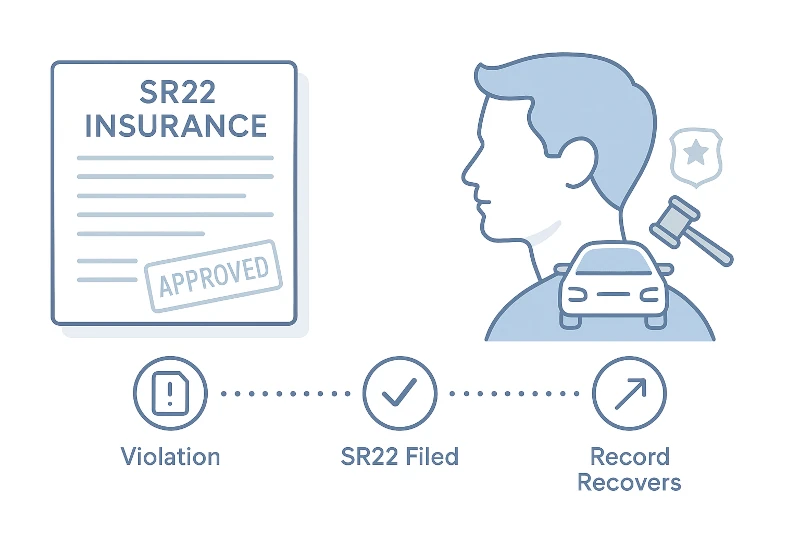
An SR22 is not an insurance policy. It is a filing submitted by an insurance company to confirm that a vehicle owner or driver meets California’s minimum liability requirements. Once your insurer files the SR22, the state monitors your insurance status to confirm that coverage stays active without interruption.
This monitoring system is automated and strict. If your vehicle has insurance coverage today but lapses tomorrow, the insurer must notify the DMV. That notification can lead to immediate license suspension, even if the lapse is brief or accidental. Insurance monitoring during an SR22 requirement focuses on consistency, not intent.
Drivers typically face SR22 requirements after serious violations such as DUI convictions, repeated traffic offenses, driving without insurance, or license suspension. These events place the driver into a higher-risk category, which changes how insurers evaluate and monitor the policy.
During this period, the state does not actively watch your driving behavior day to day. Instead, it tracks whether your insurance policy remains active, meets required limits, and stays in force throughout the entire filing period. Any cancellation, nonpayment, or policy termination resets progress and may extend the required time under monitoring.
How Insurance Monitoring Affects Your Driving Record
Insurance monitoring tied to an SR22 directly connects to your driving record. When a lapse occurs, the DMV records it as a compliance failure. That record can lead to additional penalties, including renewed license suspension or extended SR22 filing requirements.
For many drivers, this creates a cycle that is difficult to break. A license suspension limits driving access, which can affect work and daily responsibilities. Missed payments or canceled policies during that time trigger new violations, reinforcing the high-risk label.
Maintaining continuous insurance plays a major role in stabilizing your driving record. Each uninterrupted month of coverage supports financial responsibility and signals improvement to both insurers and the state. Over time, this consistency helps reduce future insurance barriers once the SR22 requirement ends.
IIS Insurance Services helps clients track deadlines, understand DMV notifications, and avoid coverage lapses that could undo months of progress. Clear communication between the policy owner and insurer reduces the risk of accidental noncompliance.
Insurance Rates and Risk Driver Classification
Once an SR22 requirement is attached to a policy, insurance rates often increase. Insurers classify the driver as a risk driver due to prior violations or coverage history. This classification influences premiums, available policy options, and payment terms.
Insurance monitoring reinforces this classification because insurers must actively report any lapse. That added reporting responsibility raises administrative costs, which can affect insurance premiums. Drivers may also face limited carrier availability, especially if violations include DUI or repeated offenses.
Rate changes vary based on factors such as driving history, type of violation, location, and whether the policy is owner or non-owner coverage. While some drivers see significant increases, others experience moderate adjustments depending on the risk profile.
Managing costs during this time requires steady coverage and careful policy management. Avoiding lapses prevents additional rate hikes and helps stabilize long-term insurance expenses. Over time, consistent compliance improves how insurers view the driver once the SR22 filing period ends.
IIS Insurance Services focuses on affordable SR22 solutions for California drivers, including auto, motorcycle, and non-owner policies. The goal is to meet monitoring requirements while keeping monthly costs predictable.
The SR22 Filing Period and Continuous Coverage
The SR22 filing period in California typically lasts three years, though some cases require longer terms. The filing period begins once your insurer submits the SR22 to the state, not when the violation occurred.
During this time, maintaining continuous insurance is mandatory. Canceling a policy, missing a payment, or switching insurers without proper coordination triggers a notice to the DMV. That notice often results in immediate license suspension and may restart the filing period from the beginning.
Insurance monitoring during the filing period leaves little room for error. The state expects uninterrupted coverage that meets minimum liability limits at all times. Even short gaps caused by billing issues or policy changes can lead to serious consequences.
Working with an experienced provider helps reduce these risks. IIS Insurance Services assists with payment planning, policy changes, and reminders to help clients maintain coverage throughout the filing period. This support helps drivers avoid unnecessary extensions and keeps progress on track.
Managing SR22 Insurance Monitoring with Confidence
Insurance monitoring under an SR22 requirement affects daily life, but it does not have to control it. Understanding how the system works allows drivers to make informed decisions that protect their license and finances.
Reliable coverage, timely payments, and proactive communication with your insurer form the foundation of success during this period. Each month of uninterrupted insurance builds stability and moves you closer to completing the requirement.
IIS Insurance Services supports California drivers through every stage of the SR22 process. Whether you need auto, motorcycle, RV, or non-owner coverage, the right policy helps meet state requirements while fitting your budget.
If you need SR22 insurance or have questions about insurance monitoring in California, contact IIS Insurance Services for a personalized quote and guidance. Staying compliant starts with the right coverage and the right support.