

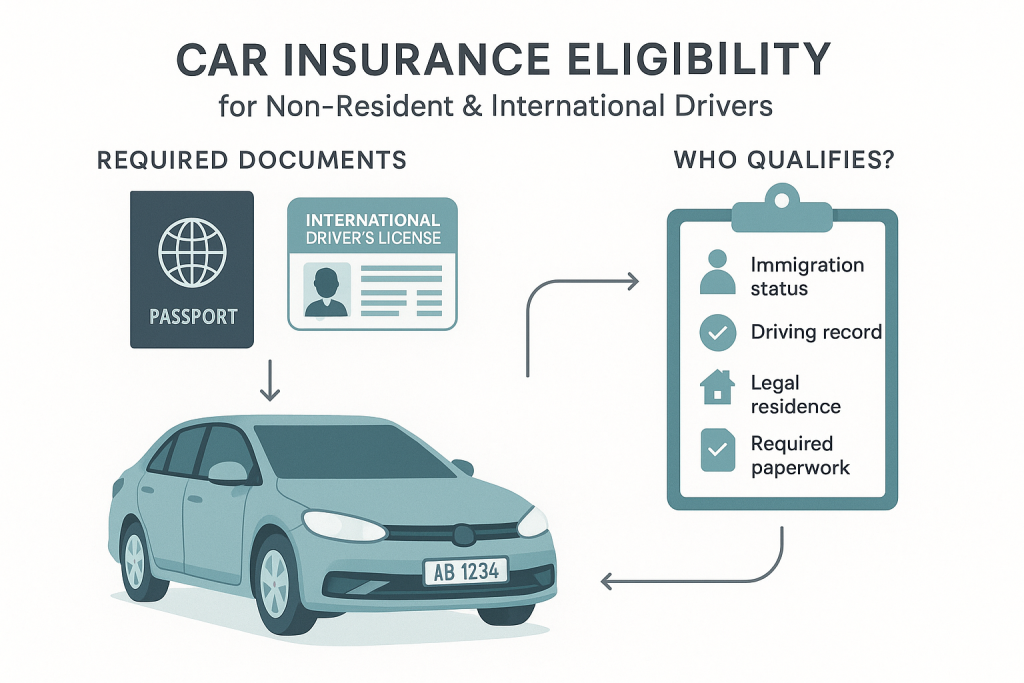
Driving in the United States without permanent residency is common for visitors, students, and international workers, but insurance rules can be difficult to navigate. Each state sets its own standards, insurers apply different eligibility criteria, and documentation requirements often vary by license type and length of stay. Understanding auto insurance eligibility for non residents early helps reduce delays, avoid penalties, and prevent coverage gaps before getting behind the wheel. Requirements can also shift based on visa status, vehicle ownership, and intended use, which makes early planning especially important.
IIS Insurance Services works with non-residents, expatriates, and international drivers who need clear, practical guidance on auto insurance eligibility. We review how state rules apply to non-residents, what documents insurers typically request, which coverage types are required, and how to secure compliant insurance that supports legal driving throughout the U.S.
How Auto Insurance Eligibility Works for Non-Residents
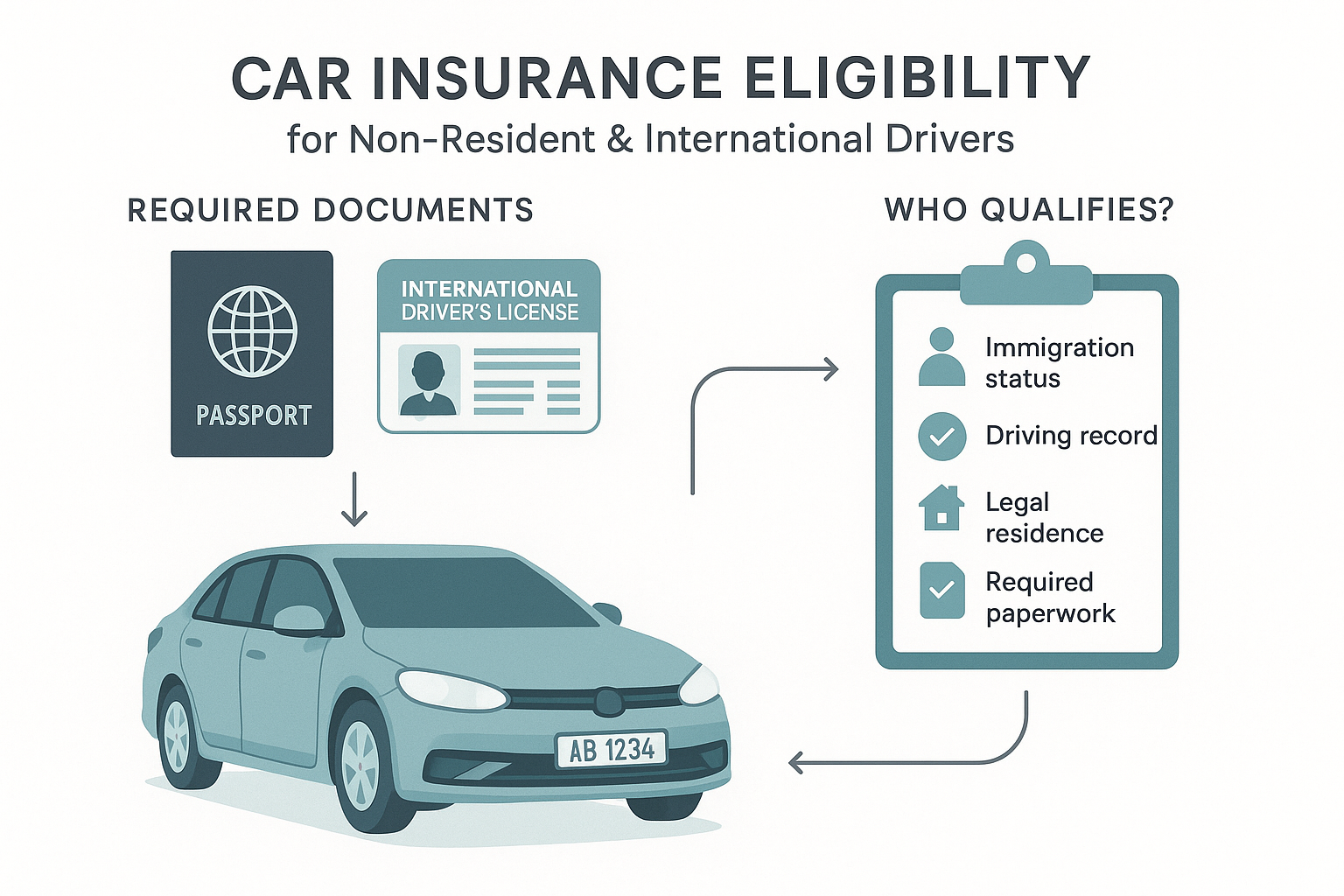
Auto insurance eligibility for non-residents depends on a combination of legal driving status, license recognition, and insurer guidelines. While U.S. citizenship is not required to purchase car insurance, insurers must verify that the driver is legally allowed to operate a vehicle.
Most insurance companies accept a valid driver’s license issued by a foreign country, an international driver’s license, or an international driving permit when supported by proper identification. Some states allow foreign licenses for limited periods, while others require additional documentation. Insurers typically follow state department rules when determining eligibility.
Eligibility also depends on vehicle ownership. Drivers who own or register a vehicle generally need a standard auto insurance policy. Those using rental vehicles or borrowed cars must ensure the insurance policy covers their driving status. Insurance from a home country rarely applies within the U.S., making domestic coverage necessary.
IIS Insurance Services helps non-residents understand whether their license is accepted, what insurers require, and how to meet state-specific rules before driving.
Documents Insurers Require From Foreign and International Drivers
Insurance companies require documentation to confirm identity, driving eligibility, and risk level. Non-residents should prepare documents in advance to streamline approval.
Commonly requested documents include:
-
A valid driver’s license from your home country
-
An international driving permit, if applicable
-
Passport or government identification
-
Proof of visa or lawful presence
-
Vehicle registration details
Some insurers ask for translated licenses if the original is not in English. Others may request driving history records from your home country. Listing all drivers who may operate the vehicle is often required, even for short-term stays.
Learner permits are generally not accepted for insurance purposes. Only fully licensed drivers qualify for coverage. Policies may also require a U.S. mailing address, depending on insurer rules.
IIS Insurance Services assists international drivers in preparing documentation and confirming which materials are needed based on state and insurer guidelines.
Required Coverage Types for Non-Resident Drivers
Every state requires minimum liability coverage. Liability insurance pays for injuries or property damage caused to others in an accident. It does not cover damage to the driver’s own vehicle unless additional coverage is added.
Minimum coverage typically includes:
-
Bodily injury liability
-
Property damage liability
Some states also require uninsured or underinsured motorist coverage. Coverage limits vary, and drivers must meet the minimum required where the vehicle is registered.
Rental vehicles often include basic liability coverage, but limits may be low. Drivers should review rental agreements carefully. Borrowed vehicles require confirmation that the policy permits non-resident drivers.
IIS Insurance Services helps drivers select coverage that meets legal standards while balancing cost and protection.
Insurance Options for Visitors, Students, and Expatriates
Non-residents have access to multiple insurance options depending on stay length and driving needs. Short-term policies suit visitors or exchange students, while longer policies fit expatriates or workers on extended assignments.
Temporary auto insurance provides coverage for limited periods without long-term commitments. Standard auto insurance may be available for those with longer stays, stable addresses, or vehicle ownership.
Coverage options may include:
-
Liability insurance
-
Collision and comprehensive coverage
-
Medical payments coverage
Eligibility criteria vary by insurer. Some insurers specialize in non-resident coverage and understand foreign license documentation. Others apply stricter rules.
IIS Insurance Services works with insurers familiar with international drivers and helps match coverage to travel plans and legal requirements.
Driving History and Its Impact on Insurance Rates
Driving history plays a major role in insurance pricing. Non-residents often lack U.S. driving records, which can affect rates. Some insurers accept foreign driving histories, while others price policies conservatively when records are unavailable.
Providing documentation from previous insurers or driving authorities may help. Clean driving records can reduce premiums, while accidents or claims may increase costs.
Listing all household drivers accurately is essential. Failing to disclose drivers can lead to denied claims or policy cancellation.
IIS Insurance Services helps drivers present their driving background clearly to insurers and identify options that balance coverage and affordability.
Get Help Securing Compliant Auto Insurance Before You Drive
Navigating insurance eligibility without permanent residency can feel complex, but the process becomes manageable with the right guidance. Understanding license acceptance, documentation rules, and coverage requirements helps non-residents avoid delays and legal issues.
IIS Insurance Services supports foreign drivers by explaining insurance rules in plain language, helping gather required documents, and connecting drivers with compliant coverage options. Whether staying short-term or longer, having the right insurance in place supports safe, legal driving.
Drivers planning to operate a vehicle in the U.S. without permanent residency can contact IIS Insurance Services for help reviewing eligibility, coverage options, and state requirements before getting on the road.